
What Is Water Treatment Chemical Blending Used For?
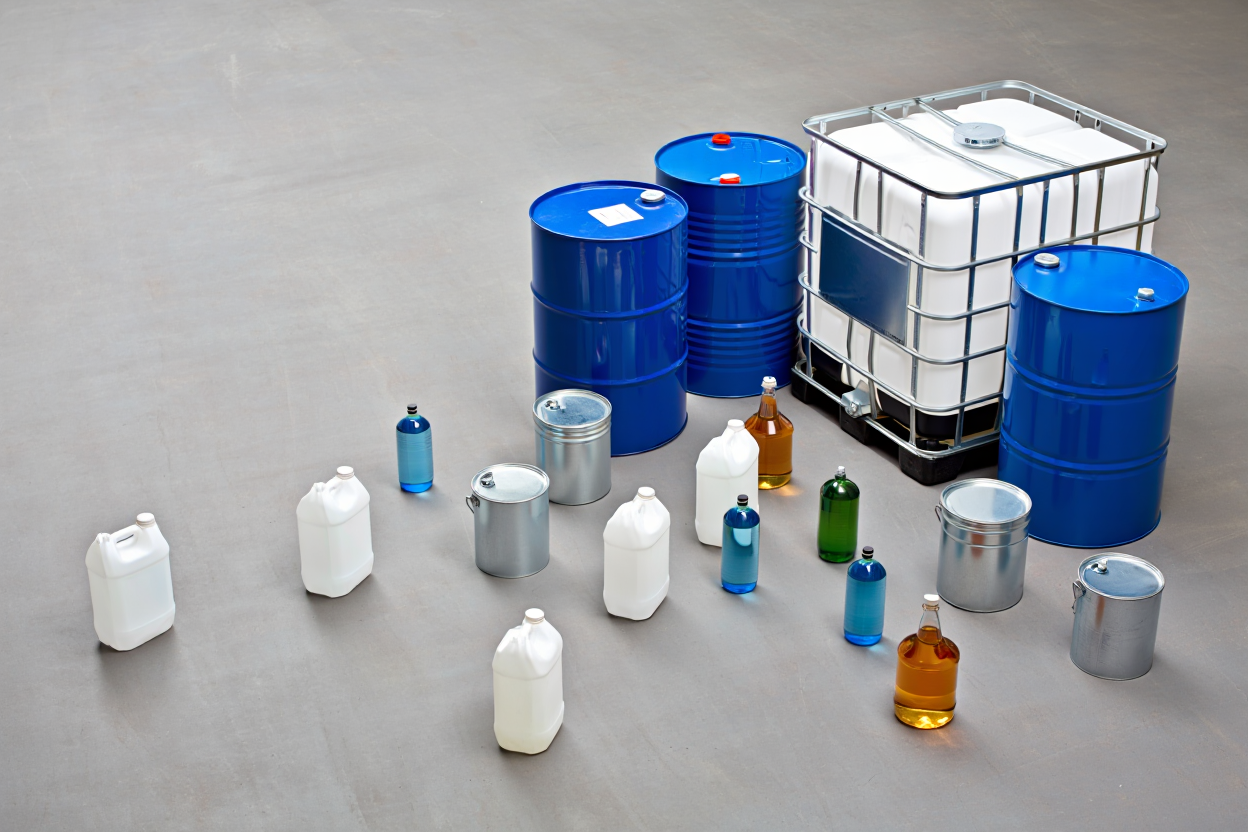
Water treatment chemical blending is the controlled process of combining raw chemical ingredients into consistent, application-ready formulas used to support safe, efficient, and reliable water system performance. In municipal, industrial, commercial, and private-label markets, these blended products help operators manage pH, control scale, inhibit corrosion, improve clarification, clean system components, and maintain facilities. Because water treatment environments vary widely by source water quality, system design, operating temperature, flow rate, and regulatory requirements, chemical blends must be produced with precision, repeatability, and technical oversight. The goal is not simply to mix ingredients together. The goal is to create a finished product that performs predictably in the field, supports operational efficiency, and meets the requirements of the application.
What Is Water Treatment Chemical Blending?
Water treatment chemical blending refers to the formulation and production of chemical products used to condition, clean, protect, or improve water systems. These blends may include acids, alkalis, sequestrants, dispersants, polymers, surfactants, corrosion inhibitors, cleaning agents, and other functional additives. The exact composition depends on the intended use of the finished product and the type of water system it is designed to support.
A professional blending operation follows defined procedures for ingredient selection, weighing, sequencing, mixing, testing, packaging, and documentation. This process helps ensure that each batch meets target specifications for concentration, appearance, pH, viscosity, density, compatibility, and performance characteristics. In many cases, chemical blending also includes packaging and labeling services, which allow finished products to be distributed under a customer’s brand or prepared for direct use in the field.
Water treatment chemical blending is especially valuable because water treatment products often need to balance multiple performance objectives. For example, a cooling tower treatment may need to control mineral scale, reduce corrosion of metal surfaces, prevent suspended solids from settling, and remain stable under elevated temperatures. A boiler water treatment product may need to manage alkalinity, reduce oxygen-related corrosion, and help prevent deposits on heat transfer surfaces. A municipal clarification aid may need to promote particle aggregation while supporting downstream filtration efficiency.
In each case, blending turns individual raw materials into a usable product with defined performance properties. This supports more reliable dosing, easier handling, improved inventory control, and greater consistency across treatment programs.
Common Uses for Water Treatment Chemical Blending
Water treatment chemical blending supports a wide range of products used across municipal utilities, manufacturing plants, commercial facilities, institutional buildings, food processing operations, power generation sites, and specialty private-label markets. These products are designed to help operators maintain water quality, protect infrastructure, and improve system performance.
Common uses include:
- pH adjustment: Acidic and alkaline blends help bring water into the desired pH range for treatment, process efficiency, corrosion control, disinfection, or discharge compliance.
- Scale control: Sequestrants, dispersants, and specialty inhibitors help reduce the formation of mineral scale caused by calcium, magnesium, silica, iron, and other dissolved solids.
- Corrosion inhibition: Blended inhibitors help protect metal surfaces in boilers, cooling towers, closed loops, process water systems, and distribution infrastructure.
- Clarification and solids removal: Coagulants, flocculants, and polymer-based products help aggregate suspended particles so they can settle or be filtered more efficiently.
- Cleaning and descaling: Acid cleaners, alkaline cleaners, surfactant blends, and specialty cleaning formulas help remove deposits, oils, biological films, and mineral buildup.
- Facility maintenance: Maintenance blends can support equipment cleaning, surface preparation, odor control, wastewater conditioning, and general industrial housekeeping.
- Private-label water treatment products: Companies can work with a toll blender to manufacture finished chemical products under their own brand while maintaining consistent quality standards.
These uses are found in both high-volume and specialty applications. Municipal water plants may rely on blended chemicals for coagulation, pH correction, corrosion control, and wastewater treatment. Industrial plants may need formulas for boilers, cooling systems, reverse osmosis pretreatment, process water, and cleaning-in-place operations. Commercial facilities may use treatment products for HVAC systems, cooling towers, closed-loop heating and cooling systems, and plumbing infrastructure.
Because the operating conditions differ from one facility to another, blended chemicals must be manufactured with close attention to formulation accuracy. A small variation in concentration, raw material quality, or mixing order can affect product stability, dosing performance, and treatment results.
Why Consistency Matters in Water Treatment Chemical Production
Consistency is one of the most important requirements in water treatment chemical production. Operators depend on predictable chemical performance to maintain system control. When a product varies from batch to batch, it can cause dosing errors, treatment instability, equipment fouling, corrosion risk, poor clarification, or unexpected maintenance issues. Industry groups such as the Association of Water Technologies emphasize the same principle, noting that consistent, well-documented treatment programs are central to protecting both water systems and the equipment that depends on them.
Consistent chemical production supports:
- Accurate feed rates and dosing calculations
- Reliable product strength and concentration
- Stable field performance across repeated applications
- Better inventory planning and operational control
- Reduced risk of underfeeding or overfeeding chemicals
- More dependable quality for branded and private-label products
- Improved confidence for distributors, operators, and end users
In water treatment, consistency is both a quality issue and a performance issue. For example, a scale inhibitor that is weaker than expected may not adequately control mineral deposition. A pH adjustment product that varies in concentration may cause operators to use too much or too little chemical. A flocculant product with inconsistent viscosity or polymer activity may not deliver the same clarification results from one batch to the next.
Professional blending helps reduce these risks by using controlled production methods. This may include raw material verification, calibrated weighing systems, documented batch records, defined mixing times, in-process checks, and final quality testing. These steps help confirm that each batch aligns with the customer’s specification before the product is released.
Consistency is also important for regulatory and commercial reasons. Municipal, industrial, and commercial customers often require products that meet documentation, labeling, safety, and handling standards. Private-label customers also need confidence that products sold under their brand will perform consistently in the field. A capable blending partner supports these needs by combining technical formulation knowledge with reliable production discipline.
How Water Treatment Chemical Blending Supports Scale and Corrosion Control
Scale and corrosion are two of the most common challenges in water treatment. Scale occurs when dissolved minerals precipitate and form deposits on surfaces such as pipes, heat exchangers, boilers, cooling tower components, membranes, and process equipment. Corrosion occurs when water chemistry, dissolved gases, microbiological activity, or chemical imbalance causes metal surfaces to deteriorate.
Water treatment chemical blending supports scale and corrosion control by producing formulas that are designed for specific water chemistry conditions and system requirements. These products may include phosphonates, polymers, dispersants, alkalinity builders, neutralizing agents, filming inhibitors, oxygen scavengers, and other specialty additives.
Scale control blends may be designed to:
- Keep hardness minerals suspended
- Reduce crystal growth and deposition
- Disperse iron, manganese, or silt particles
- Improve heat transfer efficiency
- Protect membranes and process equipment
- Reduce cleaning frequency and downtime
Corrosion inhibition blends may be designed to:
- Form protective films on metal surfaces
- Adjust pH and alkalinity to reduce corrosive conditions
- Limit oxygen-related attack in boiler and closed-loop systems
- Protect steel, copper, brass, aluminum, and other metals
- Support longer equipment life and lower maintenance costs
In many systems, scale and corrosion control must be addressed together. Water that is too aggressive may corrode metal surfaces, while water that is too scale-forming may create mineral deposits that reduce flow and heat transfer. Properly blended treatment chemicals help manage this balance by delivering multiple functional components in one consistent product.
This is particularly important in cooling towers, boilers, closed-loop systems, reverse osmosis pretreatment, and industrial process water systems. These applications require products that can withstand temperature changes, concentration cycles, chemical interactions, and continuous dosing demands.
Blended Chemicals for Industrial and Commercial Water Systems
Industrial and commercial water systems depend on chemical treatment programs to maintain efficiency, protect assets, and reduce operational disruptions. These systems often operate under demanding conditions, including high temperatures, variable loads, high mineral content, biological growth potential, and strict discharge requirements.
Blended chemicals are commonly used in:
- Cooling towers
- Boiler systems
- Closed-loop heating and cooling systems
- Wastewater treatment systems
- Reverse osmosis pretreatment systems
- Process water systems
- Food and beverage processing facilities
- Manufacturing plants
- Institutional and commercial buildings
- Maintenance and cleaning operations
For industrial users, chemical blending can support highly specific process requirements. A manufacturer may need a cleaning product that removes scale without damaging sensitive equipment. A plant may need a wastewater treatment product that helps separate suspended solids before discharge. A facility may require a pH adjustment product that integrates smoothly with automated feed systems. A distributor may need a reliable private-label formula that can be packaged in drums, totes, pails, or smaller containers.
Commercial water systems also benefit from application-ready blends. Building owners and facility managers often rely on water treatment products to protect HVAC systems, reduce fouling, prevent corrosion, and maintain heat transfer efficiency. A consistent treatment product helps reduce service variability and gives technicians a dependable chemical tool for routine maintenance.
For private-label customers, chemical blending provides a practical pathway to market. Instead of investing in manufacturing infrastructure, equipment, raw material sourcing, labor, and quality systems, companies can work with a toll blending partner to produce finished goods according to defined specifications. This allows businesses to expand product lines, support customer demand, and maintain brand control while relying on experienced production capabilities.
Packaging, Labeling, and Batch Consistency for Water Treatment Products
Packaging, labeling, batch documentation, and quality control are also essential parts of finished product readiness. Water treatment chemical blending does not end when the formula is mixed. The way a chemical product is packaged affects handling, storage, transportation, dosing, and customer experience.
Common packaging options may include:
- Gallon containers
- Pails
- Drums
- Totes
- Bulk packaging
- Custom private-label containers
- Specialty packaging for field service or distribution
Proper labeling is also critical. Labels may include product name, hazard communication information, handling instructions, lot number, net contents, manufacturer or distributor information, and other required details. For private-label products, accurate labeling helps ensure that brand presentation aligns with customer requirements while supporting safe use and traceability.
Batch consistency is equally important. Each production run should be documented so that the manufacturer, customer, and end user can trace the product back to a specific batch. This supports quality assurance, troubleshooting, inventory management, and customer confidence. Batch records may include raw material lot numbers, production date, formulation details, mixing instructions, quality control results, and packaging quantities.
A reliable blending partner understands that finished chemical products must be both technically correct and commercially ready. The product must meet formulation standards, but it must also be packaged, labeled, and documented in a way that supports distribution and use. This is especially important for private-label programs, where brand reputation depends on consistent quality across every container shipped.
FAQ
What is water treatment chemical blending used for?
Water treatment chemical blending is used to create finished chemical formulas for pH adjustment, scale control, corrosion inhibition, clarification, cleaning, wastewater treatment, and facility maintenance. It helps turn raw ingredients into consistent, application-ready products for municipal, industrial, commercial, and private-label use.
Why do water treatment products need to be blended professionally?
Professional blending helps ensure accurate concentrations, proper ingredient compatibility, stable product performance, and batch-to-batch consistency. This is important because even small formulation differences can affect dosing, treatment results, equipment protection, and product reliability.
What types of chemicals are commonly blended for water treatment?
Common blended products may include acids, alkalis, polymers, dispersants, scale inhibitors, corrosion inhibitors, coagulants, flocculants, surfactants, cleaners, descalers, and maintenance chemicals. The specific ingredients depend on the intended application and water system requirements.
How does blending support private-label water treatment products?
Blending allows companies to produce water treatment products under their own brand without operating their own manufacturing facility. A toll blending partner can help with formulation production, packaging, labeling, batch records, and repeatable quality for branded product lines.
Why is batch consistency important in water treatment?
Batch consistency helps ensure that each container performs the same way in the field. Consistent products support accurate chemical dosing, predictable system results, better quality control, and stronger customer confidence.
Can blended water treatment chemicals be customized?
Yes. Blended formulas can often be customized based on application requirements, target concentration, packaging format, system type, water chemistry, and branding needs. Custom blending is especially useful for businesses that need specialized products or private-label formulations.
Partner With Industrial Technology Corporation for Water Treatment Chemical Blending
Water treatment chemical blending plays a critical role in producing consistent, application-ready formulas for pH adjustment, scale control, corrosion inhibition, clarification, cleaning, and facility maintenance. Whether the need is municipal treatment support, industrial process water management, commercial system maintenance, or private-label product development, professional blending helps ensure that every batch is produced with accuracy, consistency, and practical field performance in mind.
We provide toll blending and chemical manufacturing support for businesses that need dependable production, custom formulation capabilities, and finished products ready for market or application. Whether you need custom toll blending services, private label opportunities, or quality chemical formulations for your business, Industrial Technology Corporation is here to meet your needs. Simply contact us today to inquire about services, request a quote, or discuss your specific requirements. We look forward to working with you to develop innovative solutions that drive success for your business.