
Private Label Chemical Blending for Branded Industrial Products
Industrial Technology Corporation provides private label chemical blending for companies that need repeatable liquid or powder formulations produced, packaged, and prepared for distribution under their own brand, with practical production support from ITC’s Davenport, Iowa facility.
Liquid and powder capabilities
Packaging and shipping coordination
Consistent batch documentation
A Technical Approach to Private Label Chemical Production
Private label chemical production is more than placing a customer label on a finished container. A dependable program requires formula accuracy, raw material planning, batch control, packaging compatibility, label coordination, and repeatable quality checkpoints. When those pieces are managed together, brands can launch or expand product lines without building additional blending infrastructure.
ITC supports branded chemical products by combining liquid blending services, powder blending services, packaging support, and outbound logistics planning into one production workflow. That structure is useful for manufacturers, marketers, distributors, and industrial suppliers that need dependable private label output without losing control over product specifications.
For companies comparing outsourcing against internal production, ITC’s article on outsourcing versus in-house blending explains the operational tradeoffs that often drive private label manufacturing decisions.
- Formula-driven production based on customer specifications and documented procedures
- Repeatable batch execution for liquid, powder, and specialty chemical products
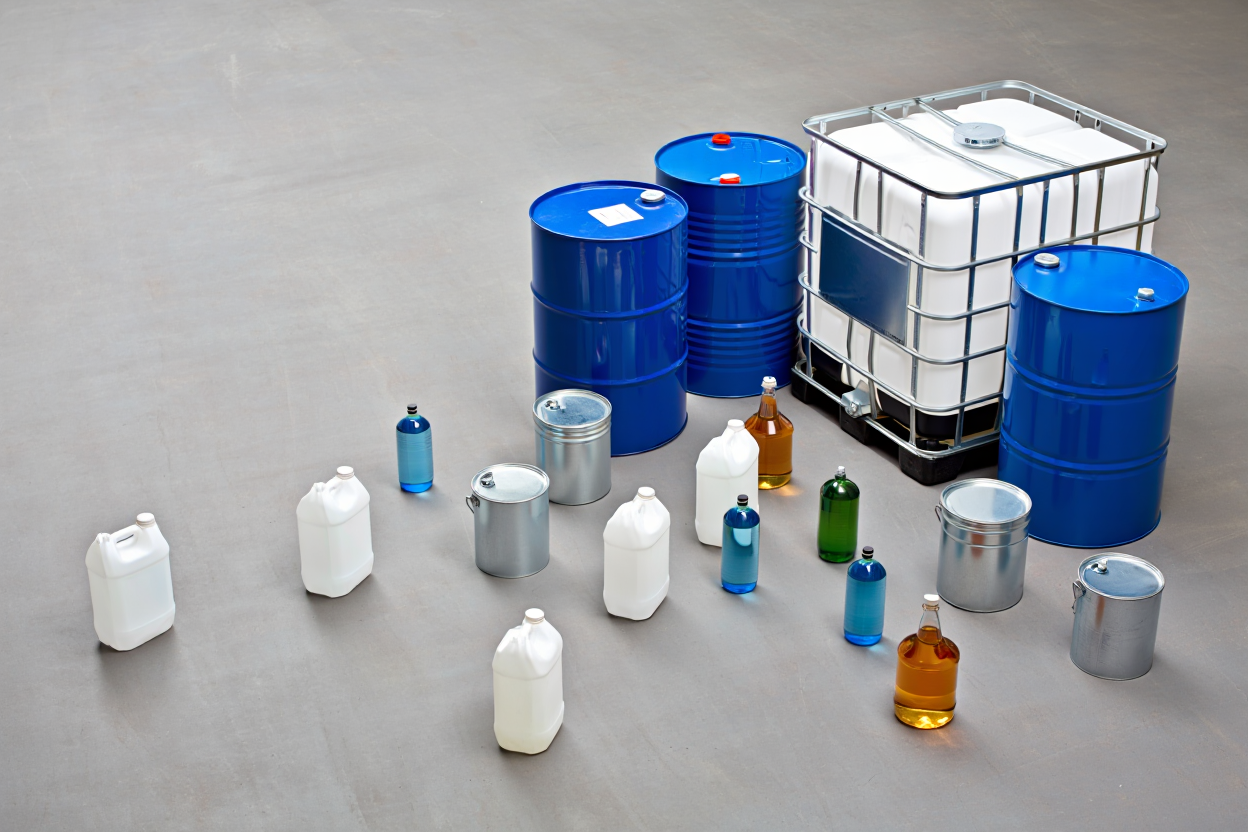
- Packaging coordination for containers, labels, palletizing, and distribution needs
- Quality checkpoints to support consistent product performance across recurring runs
- Shipping support through ITC’s warehouse and shipping coordination process
What Private Label Chemical Blending Includes
In a private label arrangement, ITC manufactures chemical products to defined specifications and prepares them for sale under the customer’s brand identity. This allows product owners to focus on sales, customer relationships, distribution, and product strategy while ITC manages the practical requirements of blending, packaging, and shipment planning.
| Program Area | What ITC Supports | Why It Matters |
|---|---|---|
| Formula Production | Blending to supplied specifications, including repeat production for recurring private label SKUs | Keeps your branded product consistent from run to run |
| Liquid and Powder Blending | Support for liquid concentrates, cleaners, degreasers, specialty liquids, dry blends, and powder formulations | Allows brands with mixed product lines to work through one production partner |
| Batch Documentation | Controlled procedures, production records, in-process checks, and finished batch review | Improves traceability and repeatability |
| Packaging Support | Jugs, pails, drums, totes, bulk formats, private label packaging, and regulated packaging where applicable | Prepares product for storage, handling, and customer delivery |
| Label and Compliance Alignment | HazCom-aware labeling support, SDS coordination, and container compatibility review | Helps reduce distribution risk for branded chemical products |
| Warehouse and Shipping Coordination | Finished goods staging, pallet configuration, carrier scheduling, and shipment planning | Creates a more efficient path from production to customer delivery |
For container formats and label-ready production support, see ITC’s private label chemical packaging service. For regulated products, ITC also supports hazmat chemical packaging with documentation and handling requirements built into the production plan.
Why Brands Use Private Label Chemical Blending
Private label outsourcing helps chemical brands increase production capacity, expand product lines, and reduce the burden of maintaining internal blending, packaging, and fulfillment operations.
Increase Capacity Without Expanding Your Plant
Many brands have proven demand but do not want to invest in additional mixers, tanks, ribbon blenders, plant labor, compliance processes, storage space, or packaging lines. ITC gives those companies an outside production path that can support recurring runs and practical scale.
- Reduce capital equipment needs
- Free up internal labor and floor space
- Support growth without adding production bottlenecks
Launch Branded Products Faster
A private label partner can help brands move from concept or existing formula to packaged product more efficiently. ITC’s model is especially useful when packaging, batch size, handling, and shipping requirements need to be planned before the first full production run.
- Support new product rollouts
- Prepare multiple package formats
- Coordinate production with delivery expectations
Maintain Consistency Across Recurring Runs
Private label products need to perform the same way every time customers order them. ITC’s batch documentation, production procedures, and quality checkpoints help brands maintain repeatable product quality across recurring orders and multiple branded SKUs.
- Documented production standards
- Repeatable liquid and powder blending
- Quality checkpoints before shipment
For a deeper look at what companies gain from outsourcing production, ITC’s article on what benefits toll blending services offer your business explains how blending partners can support capacity, consistency, and operational flexibility.
Liquid and Powder Capabilities for Branded Chemical Products
Private label manufacturing often requires a production partner that can support different product forms without forcing the brand to manage several vendors. ITC blends both liquid and powder chemical products, which is valuable for companies selling diverse product lines or expanding into new market categories.
Private Label Chemical Blending for Liquid Products
Liquid private label products may require attention to viscosity, pH range, ingredient order of addition, solubility, emulsification, stability, and fill accuracy. ITC supports liquid product categories such as industrial cleaners, degreasers, surfactant systems, emulsions, car wash formulations, water treatment products, and specialty concentrates.
Private Label Chemical Blending for Powder Products
Powder private label products require uniform distribution of ingredients, controlled blending time, material handling awareness, and production planning that accounts for density, flowability, and packaging requirements. ITC’s powder capabilities support dry blends, additives, and specialty powder formulations that need repeatable production procedures.

Private Label Product Applications ITC Supports
ITC supports private label chemical manufacturing across industrial, commercial, and specialty product categories. The best fit is usually a product that needs controlled production, reliable packaging, and repeatable batch performance.
Industrial and Commercial Cleaners
Private label cleaners often require consistent dilution behavior, cleaning performance, fragrance compatibility, packaging accuracy, and reliable repeat production. ITC supports branded cleaning products used in facility maintenance, institutional cleaning, industrial operations, and commercial distribution channels.
Degreasers, Removers, and Automotive Products
Degreasers and automotive chemicals need strong process control because performance depends on solvent ratios, surfactant systems, emulsification behavior, and container compatibility. ITC can support branded industrial degreasers, automotive cleaners, car wash products, and specialty removers.
Related: degreaser contract blending, automotive chemical blending, car wash chemical blending
Specialty Industrial Formulations
Private label programs can also support specialty formulas for agriculture, water treatment, surfactant systems, emulsions, and other technical product categories. These products often require careful intake, product handling review, and packaging planning before production begins.
Related: agricultural chemical blending, water treatment chemical blending, specialty chemical blending
Packaging That Supports Brand and Distribution Requirements
A private label product is not finished when blending ends. The container, closure, label, pallet configuration, storage plan, and shipment method all affect how the finished product reaches customers. ITC coordinates packaging and distribution planning with blending so branded products move through production more efficiently.
Private label packaging support may include jugs, pails, drums, totes, bulk fills, label application, packaging compatibility review, and finished goods staging. When products require regulated handling, ITC can also align packaging choices with hazmat requirements and OSHA Hazard Communication expectations.
For chemical labeling and safety communication requirements, ITC aligns planning with OSHA Hazard Communication standards so SDS details, GHS labeling, and downstream communication needs are considered during project planning.
Packaging Inputs to Confirm Early
- Container type and fill size
- Label requirements and brand presentation needs
- Closure, seal, and handling requirements
- Pallet configuration and finished goods staging needs
- Storage, temperature, and compatibility considerations
- Hazmat classification, SDS needs, and shipping documentation
See chemical blending and packaging for a broader look at packaging options, or review warehouse and shipping for finished product staging and carrier coordination.
Quality Control and Repeatable Batch Performance
Brand trust depends on product consistency. A private label chemical product has to look, handle, and perform the way customers expect every time it ships. ITC supports that goal through defined production procedures, batch documentation, practical quality checkpoints, and communication throughout quoting, production, packaging, and shipment.
What ITC Controls During Production
- Formula review and production planning
- Raw material verification and staging
- Ingredient order of addition
- Mixing time, blending conditions, and process checkpoints
- Packaging readiness and fill verification
- Finished batch review before release for shipment
What Brands Should Provide Upfront
- Product type and intended application
- Formula summary, spec sheet, or target performance requirements
- Target batch size and production frequency
- Packaging format, label requirements, and distribution channel
- SDS, hazmat classification, and handling notes if applicable
- Timeline, delivery locations, and recurring order expectations
ITC’s article on what QC testing is needed for blended chemical products explains how verification steps help reduce variation between batches. For cost planning, the article on main toll blending cost factors covers batch size, formula complexity, packaging, materials, and logistics considerations.
What to Include When Requesting Private Label Chemical Blending
The fastest way to confirm fit is to send ITC the information needed to understand the formula, production volume, packaging expectations, and shipping requirements. Complete details help reduce quoting delays and avoid production assumptions.
Product and Formula Details
- Product category and intended application
- Liquid, powder, concentrate, emulsion, surfactant system, or specialty product type
- Formula summary, spec sheet, or performance targets
- Target batch size and expected production frequency
- Raw material sourcing plan or supplied material notes
- Any required in-process or finished batch testing
Packaging and Fulfillment Details
- Container type, fill size, and label requirements
- Private label packaging expectations and brand standards
- Hazmat, SDS, GHS, or special handling requirements
- Storage conditions and compatibility concerns
- Pallet configuration and shipping destination details
- Desired timeline, delivery windows, and recurring order cadence
Brands with multiple product categories can also review ITC’s industries served overview to see common market applications for toll blending and packaging support.
Private Label Chemical Blending FAQ
Answers to common questions about branded chemical production, packaging, quality control, and how to request a quote from ITC.
What is private label chemical blending?
Private label chemical blending is the process of manufacturing a chemical product to your specifications and preparing it for sale under your brand. ITC can blend liquid or powder formulations, coordinate packaging, support labeling requirements, and prepare finished goods for shipment.
What types of private label products can ITC blend?
ITC supports private label chemical products such as industrial cleaners, degreasers, car wash chemicals, automotive products, water treatment formulations, agricultural chemicals, surfactant systems, emulsions, specialty liquids, dry blends, and powder additives. Product fit depends on formula requirements, batch size, packaging needs, and handling requirements.
Can ITC package private label chemical products under my brand?
Yes. ITC supports private label packaging for branded chemical products, including container planning, label coordination, fill formats, pallet configuration, and finished goods staging. Packaging formats may include jugs, pails, drums, totes, and bulk options depending on the product.
Does ITC handle both liquid and powder private label products?
Yes. ITC provides liquid blending and powder blending capabilities for private label customers. Liquid projects may involve cleaners, degreasers, concentrates, emulsions, and specialty liquids. Powder projects may involve dry blends, additives, and specialty powder formulations that need controlled blending and packaging.
How does ITC help maintain quality across repeat production runs?
ITC uses formula review, defined production procedures, raw material verification, in-process checkpoints, batch documentation, packaging review, and finished batch checks to support repeatable results. These controls help private label brands maintain consistent product performance from one run to the next.
Can ITC support hazmat or regulated private label chemical products?
ITC supports regulated chemical products through hazmat chemical packaging, SDS coordination, GHS labeling support, and container selection aligned with product handling requirements. Share hazmat classifications, SDS information, and special handling notes during the quote request process so ITC can confirm fit.
How do I request a private label chemical blending quote?
Use the ITC quote request form or call (563) 322-4882. Include your product type, formula or spec sheet, target batch size, packaging format, label requirements, timeline, and shipping destination. The more detail you provide upfront, the faster ITC can evaluate the project.
Build a Stronger Branded Chemical Product Line
ITC helps private label brands move from formula and packaging requirements to finished, shipment-ready chemical products. Send the team your product type, batch size, packaging needs, label requirements, and timeline to begin the feasibility review. For a broader look at ITC’s complete production capabilities, see toll chemical blending services.