
Automotive Chemical Toll Blending for Cleaners & Degreasers
Industrial Technology Corporation provides automotive chemical toll blending for manufacturers, private label brands, maintenance suppliers, and industrial distributors that need consistent liquid or powder automotive formulations produced to specification, packaged for use or resale, and supported by disciplined quality control.
Car wash and detailing products
Liquid and powder formulations
Packaging and shipping coordination
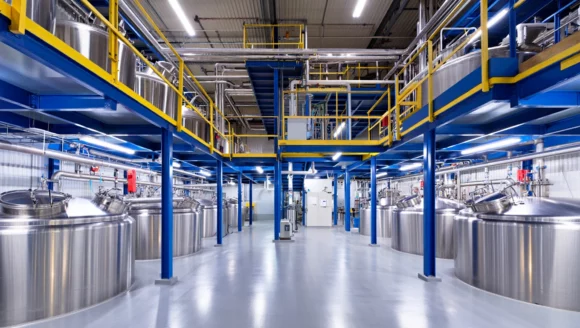
Automotive Chemical Toll Blending for Manufacturing and Maintenance
Automotive chemical products often need to perform under demanding conditions, including exposure to oils, soils, road film, metal surfaces, painted finishes, rubber, plastics, high temperatures, variable water quality, and repeated use. That makes process control essential during blending, packaging, storage, and shipment.
ITC supports toll blending for automotive chemical products used in manufacturing, aftermarket maintenance, detailing, fleet care, service operations, car wash systems, and industrial cleaning. Whether the need is a pilot batch, recurring production run, formula transfer, improved batch consistency, or packaging-ready finished goods, ITC helps brands scale without sacrificing formulation control.
For car wash-specific products, review ITC’s car wash chemical blending service. For heavy-duty oil, grease, and soil removal products, see degreaser contract blending.
- Formula-driven production for customer-supplied automotive chemical specifications
- Liquid and powder support for cleaners, degreasers, concentrates, powders, and specialty blends
- Controlled batch execution for ingredient sequencing, mix time, viscosity, pH, clarity, and stability
- Packaging options through ITC’s chemical blending and packaging capabilities
- Finished goods logistics through warehouse and shipping coordination
Automotive Chemical Toll Blending Capabilities
Automotive chemical products vary by chemistry, surface compatibility, dilution ratio, packaging format, and end-use environment. ITC helps manufacturers organize those requirements into a controlled production plan from formula intake through packaging and shipment.
| Capability Area | What ITC Supports | Why It Matters |
|---|---|---|
| Formula Review | Review of product type, target application, pH range, viscosity, concentration, cleaning strength, foam profile, stability, and packaging needs | Helps confirm the right production path before batching begins |
| Liquid Automotive Products | Cleaners, degreasers, car wash concentrates, fleet wash formulas, surface cleaners, specialty maintenance liquids, and detailing chemicals | Supports repeatable production for common automotive chemical product lines |
| Powder Automotive Products | Dry cleaning compounds, powdered maintenance products, additives, and specialty dry blends used in automotive or industrial settings | Gives brands flexibility beyond liquid-only product formats |
| Private Label Support | Branded automotive chemical production, label coordination, package selection, repeat runs, and finished goods presentation | Helps brands grow product lines without adding in-house production capacity |
| Packaging Options | Gallons, pails, drums, totes, bulk formats, private label packaging, pallet configuration, and regulated packaging review where applicable | Prepares finished products for distributor, commercial, fleet, or professional use |
| Quality Documentation | Batch records, process checkpoints, pH, viscosity, density, appearance review, packaging inspection, and release readiness checks | Improves repeatability and protects product performance across recurring runs |
For private label automotive product lines, ITC’s private label chemical blending can coordinate production, packaging, labeling, and outbound planning. For branded containers and label-ready fill formats, see private label chemical packaging.
Benefits of Automotive Chemical Toll Blending for Manufacturers
Working with a toll blending partner can help automotive chemical companies improve production efficiency, reduce capital requirements, strengthen supply reliability, and expand product lines with less internal strain.
Scale Production Without Expanding Your Plant
Automotive chemical brands can increase production volume without investing in new tanks, mixers, powder handling systems, filling equipment, storage capacity, plant labor, or additional quality-control infrastructure.
- Flexible batch production
- Reduced equipment investment
- Support for seasonal demand changes
Improve Repeatability Across Product Runs
Automotive products need consistent performance from batch to batch. ITC supports repeatability through defined production procedures, batch documentation, raw material staging, in-process review, and finished product checks.
- Controlled ingredient sequencing
- Batch documentation
- Finished product review
Coordinate Blending, Packaging, and Shipping
Automotive chemical programs often require more than blending. ITC can support container planning, label coordination, finished goods staging, pallet configuration, carrier scheduling, and outbound delivery planning.
- Packaging formats matched to product use
- Warehouse staging and shipment planning
- Support for distributor and private label programs
For manufacturers comparing outsourced production against in-house blending, ITC’s article on outsourcing versus in-house blending explains how equipment, labor, batch size, packaging, and overhead can affect the decision.
Common Automotive Chemical Products Produced Through Toll Blending
Automotive chemical products vary widely in viscosity, activity level, raw material compatibility, packaging needs, and field performance. ITC supports a range of formulas used in vehicle care, maintenance, fleet operations, shops, plants, and commercial cleaning environments.
Car Wash and Vehicle Cleaning Products
Car wash chemicals often require consistent foam, dilution behavior, rinseability, fragrance, color, pH, and surface compatibility. ITC supports soaps, concentrates, vehicle cleaning solutions, waxes, drying agents, and detailing formulas for professional automotive product brands.
- Car wash concentrates and detergents
- Foam soaps and vehicle shampoos
- Spray waxes and drying agents
Related: car wash chemical blending
Degreasers and Maintenance Cleaners
Automotive degreasers and maintenance cleaners are used for engines, tools, equipment, undercarriage components, shop floors, fleet yards, machinery, service bays, and industrial repair environments. These formulas need cleaning strength, rinseability, substrate compatibility, and batch consistency.
- Engine and equipment degreasers
- Parts cleaning solutions
- Shop floor and maintenance cleaners
Related: degreaser contract blending, industrial cleaning chemical blending
Specialty Automotive and Fleet Chemicals
Specialty automotive products may include asphalt removers, tar removers, road film cleaners, wheel and tire products, undercarriage cleaners, metal cleaning formulas, surface preparation products, powdered cleaning compounds, and fleet wash chemicals.
- Road film and tar removers
- Wheel, tire, and undercarriage products
- Powdered cleaners and specialty blends
Related: specialty chemical blending, powder blending services
Typical Automotive Formulations Produced in Blending Facilities
Automotive chemical formulations may include surfactants, solvents, builders, chelating agents, alkaline components, corrosion inhibitors, fragrance systems, dyes, powders, wetting agents, emulsifiers, polymers, waxes, defoamers, stabilizers, and other functional ingredients. The exact chemistry depends on the product’s intended use, regulatory requirements, substrate compatibility, and performance profile.
Automotive Chemical Toll Blending for Liquid and Powder Systems
Typical formulas may include high-foaming detergents for wash systems, low-foam cleaners for industrial equipment, alkaline degreasers for heavy soils, concentrated fleet wash products, acidic or neutral cleaning products for specific substrates, and powdered compounds for maintenance or cleaning applications.
- Surfactant systems for wetting, foam, detergency, and rinseability
- Solvent-assisted formulas for oil, grease, tar, and road film removal
- Builders and alkalinity sources for heavy-duty cleaning strength
- Corrosion inhibitors for metal protection during cleaning
- Powder carriers and flow aids for dry chemical blends
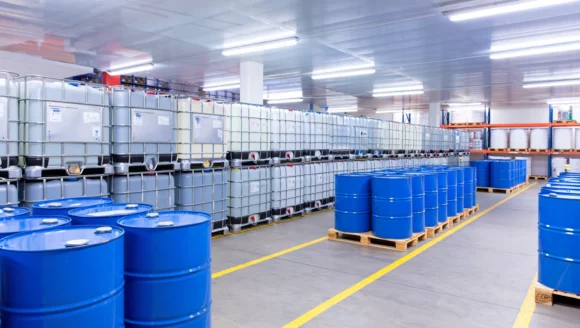
Scaling Automotive Chemical Production with Contract Manufacturing
As automotive chemical brands grow, production complexity often increases. More customers may require more packaging sizes, shorter lead times, higher batch frequency, broader product availability, private label variations, or stronger inventory planning. Contract manufacturing and toll blending allow companies to scale production without diverting capital into a new plant or overextending internal resources.
Growth Scenarios ITC Can Support
- Commercial scale-up from pilot batches
- Formula transfer from another manufacturer or internal facility
- Recurring batch production for established automotive products
- Package-size expansion for distributors, fleets, shops, and private label programs
- Production planning for multi-SKU automotive chemical lines
- Staging and shipment coordination for finished goods
Why Production Flexibility Matters
Scalable automotive chemical toll blending supports business continuity. When demand changes, brands can adjust production frequency or batch size instead of being constrained by fixed internal capacity. This flexibility can help reduce inventory strain, support new product launches, improve responsiveness to customer orders, and protect supply consistency across distributor or fleet programs.
For cost planning, ITC’s article on main toll blending cost factors covers how batch size, formula complexity, packaging, materials, and logistics influence project scope.
Quality Standards for Automotive Chemical Production
Quality control is central to automotive chemical production because finished products must meet functional, physical, and customer-defined specifications. A professional toll blending process may include incoming raw material checks, in-process verification, and final batch review before packaging or shipment.
Common Quality Considerations
- pH range for acidic, alkaline, or neutral products
- Viscosity for filling, pumpability, dilution, and appearance
- Specific gravity, density, solids content, or concentration
- Appearance, color, clarity, and odor profile when applicable
- Blend uniformity and homogeneity
- Packaging compatibility and label readiness
- Batch documentation and traceability
Documentation and Safety Alignment
Automotive chemical products may require SDS coordination, GHS label review, hazmat packaging evaluation, and customer-facing safety documentation depending on the formula. ITC aligns chemical communication planning with OSHA Hazard Communication standards so labeling and documentation requirements can be considered before packaging and shipment.
For more detail on finished product verification, ITC’s article on what QC testing is needed for blended chemical products explains common checks used to confirm batch readiness.
What to Include When Requesting Automotive Chemical Toll Blending
Clear formulation, packaging, and performance details help ITC evaluate fit, production requirements, and next steps. The more detail provided upfront, the faster the team can build a realistic path from intake to production.
Formula and Performance Details
- Product type and intended automotive application
- Liquid, powder, concentrate, ready-to-use, emulsion, or surfactant system format
- Formula summary, spec sheet, or target performance requirements
- Desired pH range, viscosity, clarity, foam level, color, odor, or dilution ratio
- Target soils, substrates, equipment systems, or end-use environment
- Raw material sourcing plan or supplied material notes
Production, Packaging, and Shipping Details
- Target batch size and production frequency
- Container type, fill size, closure, and label requirements
- Private label or branded packaging needs
- SDS, GHS, hazmat, or special handling requirements
- Storage conditions and seasonal temperature concerns
- Shipping destination, delivery window, and recurring order expectations
Automotive brands with broader product lines can also review ITC’s industries served for chemical toll blending overview to see how automotive, industrial cleaning, water treatment, agriculture, specialty chemical, private label, packaging, and logistics support connect across product categories.
Automotive Chemical Toll Blending FAQ
Answers to common questions about automotive chemical production, private label programs, packaging, quality control, and how to request a quote from ITC.
What is automotive chemical toll blending?
Automotive chemical toll blending is outsourced production of automotive chemical products by a qualified blending partner. ITC can blend liquid, powder, concentrated, ready-to-use, and private label automotive products to customer specifications and support packaging, documentation, and shipping coordination.
What automotive products can ITC blend?
ITC can support automotive cleaners, degreasers, car wash concentrates, foam soaps, fleet wash chemicals, road film removers, tar removers, wheel and tire cleaners, detailing products, parts cleaning solutions, maintenance cleaners, powdered cleaning compounds, and specialty automotive formulas.
Can ITC manufacture private label automotive chemical products?
Yes. ITC can support private label automotive chemical products through formula-driven blending, packaging coordination, label planning, finished goods staging, and shipping support. This is useful for brands selling automotive cleaners, car wash products, degreasers, fleet wash products, detailing products, and maintenance chemicals.
Can ITC package automotive chemical products after blending?
Yes. ITC can coordinate packaging for automotive chemicals in gallons, pails, drums, totes, bulk formats, private label containers, and other formats depending on the product and distribution channel. Packaging support may also include hazmat packaging review, pallet configuration, and finished goods staging.
Does ITC blend both liquid and powder automotive products?
Yes. ITC supports liquid and powder automotive chemical products. Liquid products may include cleaners, degreasers, car wash chemicals, maintenance fluids, and specialty liquids. Powder products may include dry cleaning compounds, powdered maintenance products, additives, and specialty dry blends.
What quality checks are common for automotive chemical products?
Common quality checks may include pH, viscosity, specific gravity or density, solids content, concentration, appearance, color, clarity, odor, blend uniformity, packaging compatibility, label readiness, batch documentation, and release readiness review. The exact checks depend on the formula and customer specifications.
How do I request a quote for automotive chemical toll blending?
Use the ITC quote request form or call (563) 322-4882. Include product type, formula or spec sheet, target batch size, automotive application, packaging format, label requirements, timeline, and shipping destination.
Request Automotive Chemical Toll Blending Services
ITC helps automotive chemical manufacturers, distributors, and private label brands produce cleaners, degreasers, concentrates, powders, car wash products, detailing chemicals, and maintenance formulas with controlled blending, repeatable quality procedures, packaging support, and nationwide shipping coordination. Send the team your formula details, product category, batch size, packaging needs, label requirements, and timeline to begin the feasibility review. For related production support, review ITC’s liquid blending services and powder blending services.