
Hazmat Chemical Packaging for Regulated Chemical Products
Industrial Technology Corporation provides hazmat chemical packaging support for manufacturers that need regulated liquid or powder chemical products packaged, labeled, staged, and prepared for safe storage, handling, and transportation.
Liquid and powder packaging
Label and SDS coordination
Warehouse and shipping support

Hazmat Chemical Packaging for Safe Handling and Distribution
Hazardous materials require more than standard filling and closing procedures. Regulated chemical products must be packaged with the right containers, closures, labels, markings, documentation support, handling controls, and shipping preparation based on the chemical properties of the product and the applicable transportation requirements.
ITC supports manufacturers producing cleaners, degreasers, concentrates, removers, industrial additives, and specialty chemical formulations where packaging affects safety, regulatory readiness, product integrity, and distribution efficiency. The wrong container, incompatible liner, insufficient closure, missing label, or incomplete shipment preparation can create operational risk and shipment delays.
For the broader packaging overview, review ITC’s toll chemical packaging services. If the regulated product also needs branded containers, see private label chemical packaging. For finished goods staging and outbound planning, review warehouse and shipping coordination.
- Packaging for regulated liquids and powders based on customer-supplied product data and specifications
- Container and closure planning for chemical compatibility, fill size, handling, and shipment needs
- Label and documentation support tied to SDS details, hazard communication, and customer requirements
- Packaging verification for fill, closure, label, lot code, pallet, and release readiness
- Shipping coordination through ITC’s warehouse and outbound logistics support
Hazmat Chemical Packaging Services and Capabilities
Hazmat packaging requirements depend on the chemical product, hazard classification, container size, packaging format, shipping method, destination, and customer requirements. ITC helps organize those details into a controlled packaging workflow.
| Packaging Area | What ITC Supports | Why It Matters |
|---|---|---|
| Product Data Review | SDS details, hazard classification, physical properties, viscosity, density, corrosivity, flash point, storage needs, and customer packaging specifications | Helps confirm the packaging path before filling begins |
| Container and Closure Planning | Jugs, pails, drums, totes, bulk formats, compatible closures, fill volume, headspace, seal method, and handling requirements | Reduces risk from leaks, incompatibility, container failure, or shipment delays |
| Label and Marking Support | Product labels, GHS communication, hazard labels, lot identification, batch traceability, handling instructions, and customer-supplied label requirements | Supports safe communication through packaging, warehousing, and distribution |
| Packaging Verification | Closure application, seal checks, label review, fill confirmation, packaging inspection, pallet configuration, and release readiness | Improves consistency and reduces avoidable packaging issues |
| Warehouse Staging | Segregation awareness, pallet stability, finished goods staging, loading preparation, and outbound coordination | Helps finished goods move through storage and shipment planning more predictably |
| Documentation Coordination | SDS alignment, shipping documentation support, customer requirements, handling notes, and finished-goods communication | Connects packaging execution to customer and transportation needs |
Customers remain responsible for providing accurate product data, SDS information, hazard classifications, label content, and regulatory direction. ITC supports packaging execution aligned with the agreed specifications.
What Hazmat Chemical Packaging Services Include
Regulated chemical packaging should begin with a clear understanding of the material. Product characteristics influence container selection, fill method, label requirements, staging, and shipment preparation.
Liquid and Powder Chemical Packaging
ITC can support packaging programs for liquid and powder chemical products, including cleaners, degreasers, concentrates, removers, specialty liquids, dry blends, powdered cleaners, additives, and other regulated industrial products.
- Liquid and powder products
- Customer-specified containers
- Jugs, pails, drums, totes, and compatible formats
Labeling and Traceability Support
Hazmat packaging may require product labels, hazard communication, lot identification, batch traceability, handling instructions, SDS alignment, and customer-specific documentation. ITC helps connect packaging execution with supplied specifications.
- Product labels and markings
- Lot identification and batch traceability
- Packaging documentation and handling notes
Palletizing, Staging, and Shipment Planning
After filling and labeling, regulated products still need careful staging and shipment planning. ITC can support pallet configuration, warehouse coordination, carrier planning, and finished goods expectations tied to customer requirements.
- Palletizing and staging
- Warehouse and shipping coordination
- Finished goods release preparation
For chemical products that also require toll blending before packaging, see ITC’s liquid blending services, powder blending services, and specialty chemical toll blending.
Handling and Packaging Hazardous Materials Safely
Safe handling is essential in every hazmat chemical packaging project. Hazardous materials must be managed using controlled procedures that reduce exposure risks for personnel and help maintain product integrity. Chemical products may require specific handling practices based on whether they are corrosive, alkaline, acidic, solvent-based, combustible, dusty, moisture-sensitive, or reactive with incompatible materials.
ITC’s packaging process is built around the practical realities of industrial chemical production. Operators must understand the material being handled, the packaging equipment being used, and the steps required to move product from blend completion to finished container.
Handling Controls May Include
- Controlled transfer and measured filling
- Container inspection before filling
- Appropriate ventilation and spill prevention planning
- Personal protective equipment expectations based on product requirements
- Secure closure application and seal verification
- Careful staging of filled units before outbound movement
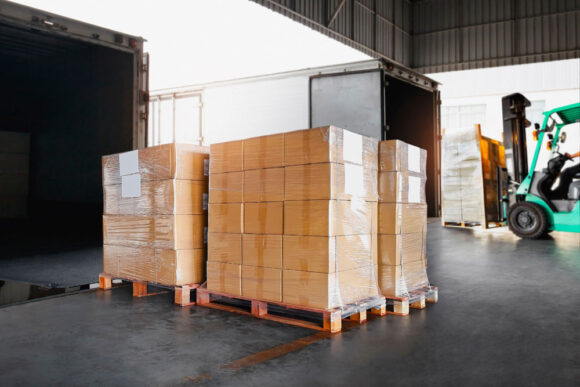
DOT and Safety Requirements for Hazardous Materials
Hazardous material transportation in the United States is regulated by the U.S. Department of Transportation through PHMSA. Transportation requirements may apply to classification, packaging, hazard communication, labeling, marking, shipping papers, placarding, carrier handling, and emergency response information. PHMSA develops hazardous materials regulations covering classification, handling, and packaging for shipments in the United States.
DOT-Related Packaging Considerations
- Proper shipping name and hazard classification
- UN or NA identification number
- Packing group determination when applicable
- Use of approved or appropriate packaging
- Correct hazard labels and markings
- Closure instructions and container integrity
- Quantity limits based on package type and transportation mode
- Compatibility between the chemical and packaging materials
- Shipping documentation support and emergency response information when required
OSHA Hazard Communication Alignment
Safety requirements also extend beyond transportation. OSHA Hazard Communication requirements cover how hazard information is communicated through labels, safety data sheets, and related workplace information. ITC aligns packaging planning with OSHA Hazard Communication Standard 29 CFR 1910.1200 and uses PHMSA hazardous materials regulations as the transportation safety reference point for regulated packaging discussions.
The customer remains responsible for supplying accurate SDS data, classification details, label content, and regulatory direction. ITC provides packaging execution aligned with the agreed specifications and product information.
Compliance Standards for Hazmat Chemical Packaging
Compliance in hazmat chemical packaging depends on the product, destination, transportation mode, and governing requirements. Packaging should be planned before production starts so container, closure, label, lot code, pallet configuration, and special handling expectations are clear.
What Should Be Reviewed Before Packaging
- Safety Data Sheet and product formulation details
- Hazard classification and transportation requirements
- Container type, compatibility, fill size, closure, and seal method
- Label format, hazard markings, and customer-supplied label content
- Lot coding, traceability, and documentation expectations
- Pallet configuration, staging, and carrier handling needs
Why Documentation Discipline Matters
Batch records, lot numbers, fill records, label verification, closure checks, packaging review, and shipping coordination help demonstrate that the packaging process followed customer requirements. For manufacturers selling regulated chemical products, traceability is especially important if a customer, carrier, distributor, or regulator has a question.
ITC’s hazmat chemical packaging support is designed for manufacturers that need a dependable partner capable of connecting production, packaging, warehousing, and shipping coordination. For a broader packaging workflow, see contract chemical packaging.
Packaging Solutions for Hazardous Chemical Transportation
Hazardous chemical transportation requires packaging that protects the product, protects handlers, and supports regulatory compliance. Packaging must be strong enough for the distribution environment and appropriate for the chemical inside. A product may move by common carrier, less-than-truckload shipment, full truckload, or customer-arranged transportation, and each route can create different packaging expectations.
Liquid Hazmat Packaging Considerations
Liquids may require containers that resist corrosion, swelling, permeation, leakage, or pressure changes. Foaming liquids, viscous concentrates, corrosive formulations, high-active concentrates, solvent-based products, and products with strong odors may each require different filling techniques and handling controls.
- Container durability and chemical compatibility
- Closure security and seal verification
- Fill volume, headspace, and handling controls
- Label visibility and hazard communication
- Pallet stability and safe loading preparation
Powder Hazmat Packaging Considerations
Powders may require packaging that limits dust release, moisture intrusion, segregation, or product loss during handling and transport. Dry chemical products also need attention to container sealing, flowability, pallet stability, storage environment, and customer handling instructions.
- Dust control and package containment
- Moisture sensitivity and storage conditions
- Product segregation risk during handling
- Closure, seal, and pallet configuration
- Safe handling and customer-use instructions
A strong hazmat packaging program helps manufacturers avoid damaged goods, rejected shipments, compliance issues, and customer dissatisfaction. For regulated chemical products, packaging is a technical control point that connects formulation, safety, logistics, and customer experience.
What to Include When Requesting Hazmat Chemical Packaging
Clear product and regulatory details help ITC evaluate fit and build a more accurate packaging plan. Hazmat projects require complete information because classification, container selection, labeling, handling, and transportation details can change the packaging path.
Product and Regulatory Details
- Product type and intended application
- Safety Data Sheet and hazard classification details
- UN or NA number, proper shipping name, and packing group when applicable
- Liquid, powder, concentrate, solvent, degreaser, cleaner, or specialty chemical format
- Viscosity, density, corrosivity, flash point, reactivity, moisture sensitivity, or other handling concerns
- Customer-supplied label content and documentation requirements
Packaging, Staging, and Shipping Details
- Container type, fill size, closure, and packaging format
- Headspace, torque, seal, or secondary containment requirements
- Lot code, batch code, or traceability requirements
- Pallet configuration, segregation, storage, or staging needs
- Transportation mode, carrier requirements, and delivery destination
- Timeline, recurring order expectations, and finished-goods release criteria
If your regulated product also needs brand-specific presentation, review private label chemical packaging. If finished goods need outbound coordination, review warehouse and shipping coordination.
Hazmat Chemical Packaging FAQ
Answers to common questions about regulated chemical packaging, labels, SDS details, DOT considerations, OSHA HazCom alignment, and quote requirements.
What is hazmat chemical packaging?
Hazmat chemical packaging is packaging support for regulated chemical products that may require specific containers, closures, labels, markings, SDS alignment, handling controls, and shipping documentation based on the product’s hazard classification and transportation requirements.
What types of products may need hazmat packaging?
Hazmat packaging may be needed for products with corrosive, flammable, oxidizing, reactive, toxic, irritant, or environmentally hazardous properties. Common product categories may include certain cleaners, degreasers, concentrates, removers, solvents, industrial additives, and specialty chemical formulations.
What information does ITC need before packaging regulated products?
ITC needs product type, SDS details, hazard classification, UN or NA number when applicable, proper shipping name, packing group when applicable, container requirements, label content, handling notes, batch size, packaging format, shipping destination, and timeline.
Can ITC package both liquid and powder hazmat products?
Yes. ITC can support hazmat packaging for liquid and powder products when the project fits facility capabilities and customer-supplied requirements. Liquid projects may require attention to corrosion, leakage, viscosity, flash point, or solvent behavior. Powder projects may require attention to dust, moisture, containment, segregation, and handling.
Who is responsible for hazmat classification and label content?
The customer remains responsible for providing accurate product data, SDS information, hazard classifications, label content, and regulatory direction. ITC supports packaging execution aligned with the agreed specifications and supplied product information.
Can ITC coordinate warehousing and shipping after hazmat packaging?
Yes. ITC can coordinate finished goods staging, pallet configuration, carrier scheduling, and delivery planning through warehouse and shipping support. Regulated products may require additional review based on hazard classification, carrier requirements, and shipment destination.
How do I request a quote for hazmat chemical packaging?
Use the ITC quote request form or call (563) 322-4882. Include SDS details, hazard classification, product type, packaging format, fill size, label requirements, special handling notes, timeline, and shipping destination.
Request Hazmat Chemical Packaging Services
ITC helps manufacturers package regulated chemical products with the safety, consistency, and technical care required for industrial distribution. Send the team your SDS details, hazard classification, product type, packaging specifications, label requirements, special handling notes, shipping destination, and timeline to begin the feasibility review. For broader packaging options, review ITC’s toll chemical packaging services.