
Surfactant Blending Services for Cleaning & Specialty Products
Industrial Technology Corporation provides surfactant blending services for manufacturers that need stable, repeatable chemical formulations with controlled wetting, foaming, detergency, emulsification, dispersion, and packaging-ready production from ITC’s Davenport, Iowa facility.
Controlled surfactant ratios
Liquid blending and packaging
Repeatable batch production
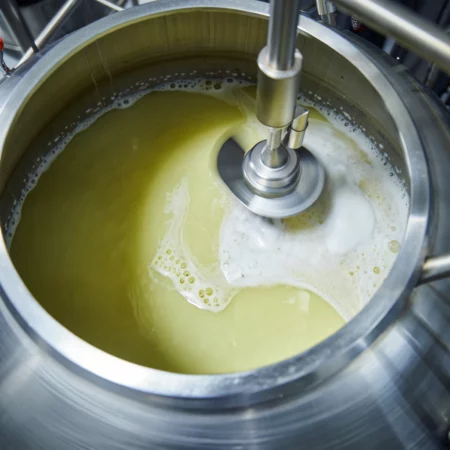
Surfactant Blending Services for Performance-Driven Formulations
Surfactant blending is used to manufacture chemical products that depend on controlled surface activity. In practical terms, that means wetting, spreading, detergency, emulsification, foam control, solubilization, and dispersion all need to be managed in the finished formula. Small changes in surfactant ratio, pH, temperature, raw material sequence, or mixing conditions can change how the product performs.
ITC supports manufacturers producing cleaners, degreasers, detergents, agricultural additives, water treatment products, automotive chemicals, textile aids, and specialty industrial formulations. The goal is to help product owners move from formula requirements to repeatable production without losing control over performance, stability, packaging, or shipment planning.
For broader liquid manufacturing needs, ITC’s liquid blending services cover cleaners, degreasers, concentrates, emulsions, and specialty liquids. For formulas where surfactant systems are used to stabilize immiscible phases, see ITC’s emulsion blending services.
- Wetting and spreading control for hard surfaces, substrates, fabrics, and process applications
- Detergency and soil removal for cleaners, degreasers, detergents, and maintenance chemicals
- Foam behavior management for products that need stable foam, low foam, or controlled foam collapse
- Emulsification and dispersion for oils, greases, particulates, and specialty ingredients
- Packaging-ready production through ITC’s chemical blending and packaging support
Surfactant Blending Services and Production Capabilities
Surfactant-based products can be technically sensitive because surface-active ingredients interact with solvents, builders, chelants, salts, acids, alkalis, hydrotropes, fragrances, preservatives, defoamers, and other additives. ITC helps manufacturers manage those production variables through controlled batching, mixing, packaging, and documentation.
| Capability Area | What ITC Supports | Why It Matters |
|---|---|---|
| Formula Review | Review of product type, surfactant class, active concentration, pH range, viscosity targets, and end-use requirements | Helps confirm whether the formula is production-ready and how it should be processed |
| Ingredient Sequencing | Controlled addition of surfactants, solvents, builders, hydrotropes, additives, preservatives, fragrances, and performance agents | Reduces incompatibility, hazing, precipitation, viscosity drift, and batch variation |
| Mixing Control | Process-driven agitation, shear selection, temperature awareness, and batch timing | Supports homogeneous blends without damaging sensitive components |
| Performance Targets | Wetting, detergency, foam behavior, emulsification, rinseability, solubilization, and dispersion | Aligns production with the way the product must perform in the field |
| Packaging Support | Jugs, pails, drums, totes, bulk formats, private label options, and regulated packaging review where applicable | Prepares surfactant-based products for storage, distribution, and customer use |
| Shipping Coordination | Finished goods staging, pallet configuration, carrier scheduling, and delivery planning | Creates a smoother path from production to customer delivery |
For branded chemical programs, ITC’s private label chemical blending can coordinate surfactant production, packaging, labeling, and shipment planning. For outbound logistics, see warehouse and shipping coordination.
How Surfactant Blending Services Improve Product Performance
Surfactants influence how a formulation interacts with surfaces, soils, oils, water, and other ingredients. A controlled blending process helps preserve the intended function of the surfactant system from batch to batch.
Improved Wetting and Surface Contact
Many cleaning, coating, agricultural, and treatment products depend on fast, even contact with the target surface. Properly blended surfactant systems help reduce surface tension so the finished product spreads, wets, and covers more predictably.
- Better hard surface contact
- More uniform spreading behavior
- Improved penetration into soils or substrates
Stronger Detergency and Soil Removal
Surfactants help lift, suspend, emulsify, and remove oils, greases, particulate soils, and residues. ITC’s controlled production process helps maintain the ratios and sequence needed for consistent cleaning performance.
- Oil and grease emulsification
- Improved soil suspension
- Better rinseability and residue control
More Stable Formulation Behavior
Surfactant systems can be sensitive to pH, water hardness, temperature, electrolytes, solvents, and other additives. Controlled blending helps reduce separation, haze, precipitation, viscosity swings, and inconsistent active distribution.
- Improved compatibility
- Reduced settling or phase separation
- More predictable shelf behavior
For related process considerations, ITC’s article on low-shear versus high-shear mixing explains how shear level affects liquid formulation quality, dispersion, and finished product behavior.
Types of Surfactants Used in Industrial Manufacturing
Industrial formulations may use one surfactant class or a combination of several classes to achieve the desired balance of detergency, foam, wetting, mildness, conditioning, emulsification, and compatibility.
Anionic Surfactants
Anionic surfactants are commonly selected for strong detergency, foaming, wetting, and soil removal. They are widely used in cleaners, detergents, degreasers, vehicle wash products, and industrial maintenance formulas.
Nonionic Surfactants
Nonionic surfactants are often used for emulsification, wetting, low-foam cleaning, solvent compatibility, and broader formulation stability across varied pH ranges and water conditions.
Cationic Surfactants
Cationic surfactants may be used for surface modification, conditioning, antistatic behavior, antimicrobial performance, or specialty industrial functions where positive surface charge is useful.
Amphoteric Surfactants
Amphoteric surfactants are used when mildness, foam stabilization, compatibility, and pH-responsive behavior matter in a more complex formulation system.
The right surfactant system depends on active concentration, pH, ionic compatibility, water hardness, temperature, packaging, end-use environment, and the other ingredients in the formula. ITC helps customers translate those formulation requirements into repeatable production procedures.
Industrial Applications for Surfactant-Based Formulations
Surfactant-based products are used wherever cleaning, wetting, emulsification, dispersion, foam behavior, or controlled surface interaction is required. ITC supports surfactant blending for both standard product lines and specialty industrial formulations that need tighter batch control.
Surfactant Blending Services for Commercial and Industrial Markets
Each market has its own performance target. A degreaser may need rapid penetration and emulsification of oily soils. A car wash chemical may need foam stability and surface wetting. An agricultural additive may need spreading and adhesion. A water treatment product may need compatibility with process conditions and downstream handling.
- Industrial and institutional cleaning compounds
- Laundry detergents, rinse aids, and process cleaners
- Degreasers and hard surface cleaners
- Car wash chemicals and automotive care formulations
- Agricultural spray adjuvants and wetting agents
- Metalworking and metal cleaning formulations
- Textile wetting and scouring agents
- Water treatment and specialty processing aids
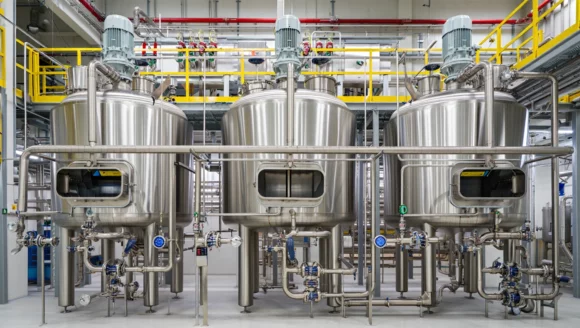
Product Categories That Use Surfactant Blending
Surfactant chemistry supports several high-value chemical product categories. ITC’s production model helps customers blend, package, and ship these formulas with controlled process documentation.
Cleaners, Detergents, and Degreasers
Surfactants are central to cleaning performance because they improve wetting, emulsify oils, suspend soils, and support rinseability. ITC supports cleaner and degreaser production for industrial, institutional, automotive, and commercial markets.
Related: industrial cleaning chemical blending, degreaser contract blending
Car Wash and Automotive Chemicals
Vehicle wash and automotive formulas often depend on foam quality, surface wetting, soil lift, gloss support, and residue control. Surfactant blending helps keep those characteristics consistent across repeat production runs.
Related: car wash chemical blending, automotive chemical blending
Agriculture, Water Treatment, and Specialty Products
Surfactants are used in agricultural additives, water treatment products, process chemicals, coatings, and specialty industrial systems where dispersion, wetting, compatibility, or ingredient delivery matters.
Related: agricultural chemical blending, water treatment chemical blending, specialty chemical blending
Stability and Consistency in Surfactant Mixtures
One of the biggest challenges in surfactant formulation is maintaining physical and chemical stability over time. Surfactant systems can be sensitive to temperature, electrolyte concentration, pH shifts, solvents, builders, water hardness, preservatives, fragrances, and other additives. Without proper blending procedures, a formulation may separate, haze, precipitate, thicken, thin out, or show inconsistent active distribution.
ITC addresses these risks through production discipline, documented procedures, batch records, and practical quality checkpoints. That support becomes especially important when a formula moves from pilot volume or internal production to recurring commercial batches.
Consistency Controls May Include
- Controlled order of ingredient addition
- Precise temperature awareness during mixing
- Proper shear selection for the formulation type
- Batch documentation and production traceability
- Appearance, viscosity, pH, and homogeneity checks where applicable
- Packaging strategies aligned with material compatibility
For more detail on finished product verification, ITC’s article on what QC testing is needed for blended chemical products explains common checks used to confirm batch readiness.
Custom Formulation and Scaling of Surfactant Products
Many manufacturers need more than basic ingredient mixing. They need a production partner that can support custom formula requirements, batch sizing flexibility, process planning, and commercial-scale production without forcing major internal infrastructure investments.
Scaling Surfactant-Based Formulations
Scaling surfactant systems requires careful attention to process dynamics. Heat transfer, mixing intensity, hold times, order of addition, raw material staging, and packaging choices can all affect the final product at larger volume. A formula that performs well in the lab still needs controlled scale-up to behave the same way in commercial production.
- Batch size and production frequency planning
- Commercial run procedures based on product behavior
- Packaging and fill requirements built into the production plan
- Repeat production support for growing product lines
Private Label and Branded Surfactant Products
ITC also supports brands that need surfactant-based products manufactured and packaged under their own name. This can include branded cleaners, degreasers, car wash products, water treatment chemicals, agricultural products, specialty liquids, and other private label chemical formulations.
- Formula-driven production to customer specifications
- Label-ready container planning
- Private label packaging support
- Finished product staging and shipment coordination
For brands building a surfactant-based product line, see ITC’s private label chemical blending and private label chemical packaging services. For an overview of how blending, packaging, and logistics work together, review ITC’s toll chemical blending services.
Quality Assurance for Surfactant-Based Chemical Manufacturing
Surfactant-based formulations can be sensitive to raw material quality, ingredient compatibility, process timing, temperature, shear, pH, and storage conditions. ITC supports quality-focused production through defined intake, documented batching, in-process checks, packaging review, and finished product readiness checks.
Typical Production Checkpoints
- Formula and product requirement review
- Raw material verification and staging
- Controlled ingredient addition and mixing sequence
- Process condition monitoring during the batch
- Finished blend review for appearance, homogeneity, and target requirements
- Packaging compatibility and label-readiness review
Documentation and Safety Alignment
Surfactant products may require SDS coordination, GHS label review, hazmat evaluation, and customer-facing safety documentation depending on the formulation. ITC aligns chemical communication planning with OSHA Hazard Communication standards so labeling and documentation needs can be considered before production and shipment.
For regulated products, ITC’s hazmat chemical packaging service can support container selection, labeling requirements, and outbound documentation.
What to Include When Requesting Surfactant Blending Services
Clear formula, packaging, and performance details help ITC evaluate project fit and build a more accurate production plan. The more information you provide upfront, the faster the team can assess feasibility and next steps.
Formula and Performance Details
- Product type and intended application
- Surfactant class or surfactant system if known
- Formula summary, spec sheet, or performance targets
- Desired wetting, foaming, detergency, emulsification, or dispersion behavior
- Viscosity, pH, active concentration, appearance, or stability requirements
- Raw material sourcing plan or supplied material notes
Production, Packaging, and Shipping Details
- Target batch size and production frequency
- Container type, fill size, and closure requirements
- Private label or customer label requirements
- SDS, GHS, hazmat, or special handling requirements
- Storage or temperature sensitivity
- Shipping destination and timeline expectations
If product packaging is still being defined, ITC’s chemical blending and packaging page explains available packaging formats and how container planning connects to production. If delivery coordination is part of the project, see warehouse and shipping.
Surfactant Blending Services FAQ
Answers to common questions about surfactant blending, product applications, stability, packaging, and how to request a quote from ITC.
What are surfactant blending services?
Surfactant blending services manufacture chemical products that depend on surface-active ingredients for wetting, detergency, foaming, emulsification, solubilization, dispersion, or rinseability. ITC blends surfactant-based formulations to customer specifications and can support packaging and shipping coordination.
What products use surfactant blending?
Surfactant blending is used for cleaners, detergents, degreasers, car wash chemicals, agricultural adjuvants, water treatment products, textile aids, metal cleaning products, emulsions, and specialty industrial formulations.
What types of surfactants are used in industrial formulations?
Industrial formulations may use anionic, nonionic, cationic, and amphoteric surfactants. Each class supports different functions such as detergency, foam behavior, wetting, emulsification, mildness, conditioning, surface modification, or compatibility in complex formulas.
Can ITC blend private label surfactant products?
Yes. ITC can support private label surfactant products through formula-driven blending, packaging coordination, label planning, finished goods staging, and shipping support. This is useful for brands producing cleaners, degreasers, car wash chemicals, agricultural additives, or other surfactant-based products.
How does ITC help maintain surfactant formulation stability?
ITC helps maintain stability through formula review, controlled ingredient sequencing, process-aware mixing, temperature awareness, batch documentation, and finished product checks. These controls help reduce haze, separation, precipitation, viscosity drift, and inconsistent active distribution.
Can ITC package surfactant-based chemical products?
Yes. ITC can coordinate packaging for surfactant-based products in jugs, pails, drums, totes, and bulk formats depending on product requirements. Packaging support can also include private label options, hazmat packaging review, pallet configuration, and finished goods staging.
How do I request a quote for surfactant blending services?
Use the ITC quote request form or call (563) 322-4882. Include your product type, formula or spec sheet, surfactant system if known, performance targets, batch size, packaging format, timeline, and shipping destination.
Request Surfactant Blending Services from ITC
ITC helps manufacturers produce surfactant-based chemical products with controlled mixing, repeatable batch procedures, packaging support, and nationwide shipping coordination. Send the team your formula details, performance targets, batch size, packaging needs, and timeline to begin the feasibility review. For related liquid formulation support, review ITC’s emulsion blending services and liquid blending services.