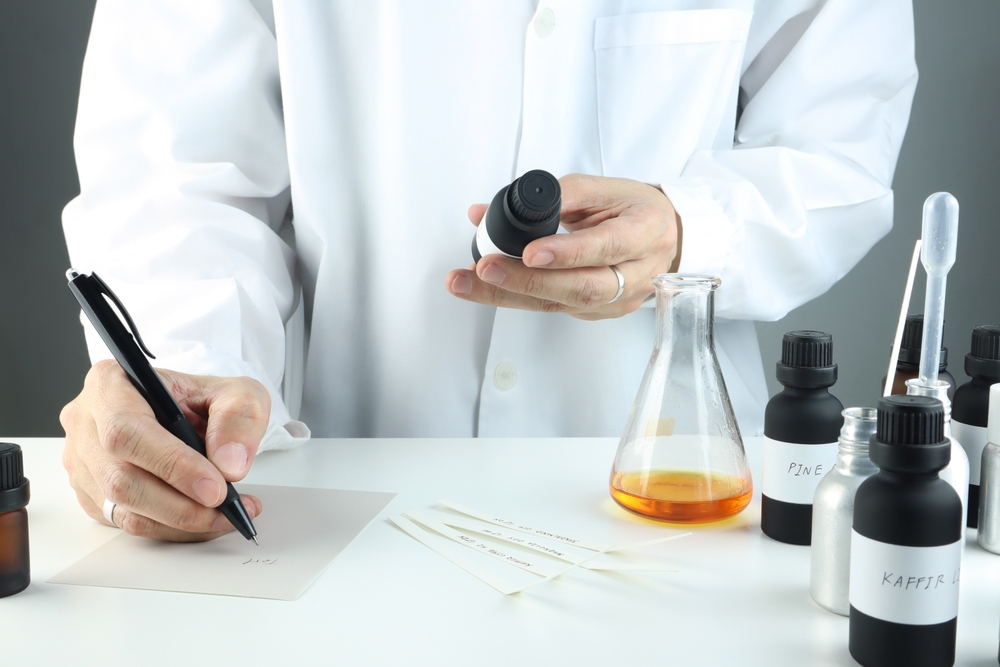
In the world of chemical manufacturing, precision is not just a requirement—it’s the cornerstone of successful production. Multi-component blending, the intricate process of combining multiple chemical substances into a homogeneous mixture, is an essential technique in industries ranging from pharmaceuticals to agriculture.
What Is Multi-Component Blending?
Multi-component blending refers to the process of combining two or more chemical components to produce a finished product or intermediate material with specific properties. Depending on the formulation, the components may include liquids, solids, or gases. The goal is to achieve uniformity and maintain the desired chemical and physical characteristics, ensuring the end product meets quality standards and functional requirements.
Industries utilizing multi-component blending span diverse sectors, such as:
Pharmaceuticals for drug formulations
Agriculture for fertilizers and pesticides
Automotive for lubricants and fuels
Food and Beverage for flavorings and additives
Industrial Chemicals for coatings, adhesives, and sealants
The Core Principles of Multi-Component Blending
Achieving precision in multi-component blending involves adhering to several scientific and engineering principles:
Proportional Accuracy
To maintain the integrity of the final formulation, each component must be measured with exacting precision, often to milligram or microliter levels. Small deviations can result in defective products or unintended reactions.
Homogeneity
Homogeneity ensures that every portion of the mixture contains the same ratio of components. Achieving this requires advanced mixing technologies and expertise in material properties.
Stability
Stability ensures the blended components do not separate or degrade over time. Stabilizing agents, temperature control, and careful handling are often necessary to maintain product consistency.
Reactivity
Some chemical components interact during blending, requiring precise control over reaction conditions such as temperature, pressure, and mixing speed to avoid undesired outcomes.
Technologies Used in Multi-Component Blending
Advances in technology have significantly enhanced the efficiency and precision of multi-component blending. Here are some of the key tools and methodologies employed:
Mixing Equipment
From high-shear mixers to ribbon blenders, the choice of equipment depends on the nature of the materials and the desired product characteristics. For example:
Ribbon Blenders are ideal for dry powders.
High-Shear Mixers handle viscous liquids and emulsions.
Static Mixers are used for continuous blending of fluids.
Automation and Control Systems
Modern blending facilities often incorporate automated systems equipped with sensors and software for real-time monitoring. Automation ensures consistent proportions, reduces human error, and provides traceable records for quality assurance.
Analytical Testing
Technologies such as spectroscopy, chromatography, and particle size analysis verify the blend’s composition and homogeneity. These tests ensure compliance with regulatory and industry standards.
Challenges in Multi-Component Blending
Despite technological advancements, multi-component blending presents several challenges that demand technical expertise and innovative solutions:
Complex Formulations
Some formulations involve dozens of components with varying physical and chemical properties. Managing these complexities requires in-depth knowledge of material science and chemical interactions.
Contamination Control
Cross-contamination can compromise the integrity of a blend, particularly in sensitive industries such as pharmaceuticals and food production. Strict cleaning protocols and specialized equipment designs mitigate this risk.
Environmental Factors
Temperature, humidity, and air quality can affect blending processes. For instance, hygroscopic materials may absorb moisture from the air, altering the final product.
Regulatory Compliance
Blended products must meet stringent industry and governmental regulations, which vary depending on the application. Compliance often involves detailed documentation and validation processes.
Case Studies: Applications of Multi-Component Blending
Pharmaceutical Formulations
In pharmaceutical manufacturing, multi-component blending is critical for producing drugs with precise dosages. Blends must achieve exact particle size distributions and maintain chemical stability, especially for controlled-release medications.
Agricultural Products
Fertilizers and pesticides rely on multi-component blending to combine active ingredients with carriers or stabilizers. Uniform distribution of active compounds ensures effectiveness and minimizes waste.
Coatings and Adhesives
Paints, coatings, and adhesives require multi-component blending to create formulations with specific viscosity, drying times, and durability. The inclusion of stabilizers and dispersants is essential for long-term performance.
Best Practices for Multi-Component Blending
Pre-Formulation Studies
Conducting pre-formulation studies helps identify potential issues, such as incompatibilities between components or the need for specific stabilizers.
Pilot Batches
Producing small pilot batches allows manufacturers to test and refine the blending process before scaling up to full production.
Quality Control
Regular testing during and after blending ensures the product meets specifications. Inline monitoring systems can provide real-time data, enabling immediate adjustments.
Custom Solutions
Partnering with a toll blending provider like Industrial Technology Corporation enables businesses to access custom solutions tailored to their unique needs.
Environmental and Economic Considerations
Sustainability and cost-effectiveness are increasingly important in multi-component blending. Strategies to address these considerations include:
Optimizing Processes to reduce energy and material waste.
Recycling Solvents and By-Products to minimize environmental impact.
Sourcing Sustainable Materials for greener formulations.
Why Partner with a Toll Blending Expert?
Outsourcing multi-component blending to a toll blending expert provides numerous advantages, including access to specialized equipment, technical expertise, and scalable production capabilities. Toll blending partners also handle regulatory compliance, freeing businesses to focus on innovation and market expansion.
Contact Us Today
Whether you’re developing a new product or optimizing an existing formulation, multi-component blending requires precision, expertise, and advanced technology. At Industrial Technology Corporation, we specialize in custom toll blending services, private label opportunities, and high-quality chemical formulations tailored to meet your needs.
Contact us today to request a quote, discuss your specific requirements, or explore how our innovative solutions can drive success for your business. Let us be your partner in precision blending!
In industrial processes, emulsion blending stands out as a crucial technique for creating stable mixtures of immiscible liquids, such as oil and water, often combined with powders to form advanced formulations. Industries ranging from pharmaceuticals to cosmetics and from food production to paints and coatings rely heavily on this technology to develop products that perform efficiently and consistently.
What Is Emulsion Blending?
At its core, emulsion blending involves combining two immiscible liquids, typically oil and water, to create a stable emulsion. This process often requires the addition of emulsifiers, which reduce surface tension and allow the liquids to coexist in a uniform state. When powders are introduced into this system, the complexity increases, necessitating precise techniques and equipment to ensure homogeneity and stability.
The versatility of emulsion blending makes it essential for producing products such as:
Personal care items like lotions and creams.
Industrial coatings and paints.
Nutritional supplements.
Pharmaceutical suspensions.
Food products like dressings and beverages.
Key Advancements in Emulsion Blending Technology
High-Shear Mixing Equipment
One of the most significant advancements in emulsion blending is the use of high-shear mixers. These machines operate at high speeds to create intense mechanical and hydraulic forces, which break down particles and droplets to achieve smaller sizes and a more uniform distribution. High-shear mixers are particularly effective in liquid-powder combinations, as they prevent clumping and ensure powders are evenly dispersed within the liquid medium.
Benefits:
Enhanced stability of the emulsion.
Finer particle sizes, leading to improved product texture.
Reduction in production time.
Ultrasound-Assisted Blending
Ultrasound technology is increasingly being used in emulsion blending to achieve micro- and nano-scale emulsions. This technique involves applying ultrasonic waves to generate cavitation bubbles in the liquid, which collapse and create intense localized energy. This energy is effective at mixing powders into liquids, breaking apart agglomerates, and achieving a stable emulsion.
Cosmetics with smooth textures and improved absorption rates.
Food products with extended shelf life and improved consistency.
Continuous Emulsion Blending Systems
Batch blending has been a standard practice for decades, but continuous blending systems are now gaining traction due to their efficiency. These systems allow for the real-time mixing of liquids and powders, reducing production downtime and ensuring consistent quality.
Advantages:
Scalability for large production runs.
Reduced waste and energy consumption.
Enhanced process control for maintaining product specifications.
Advanced Emulsifiers and Stabilizers
Modern formulations increasingly depend on specialized emulsifiers and stabilizers to enhance the performance and stability of emulsions. These additives are often derived from natural or synthetic sources and are tailored for specific applications.
Example: Phospholipids in food emulsions improve both texture and nutritional value, while silicone-based stabilizers in industrial applications provide enhanced durability and weather resistance.
Impact: These advancements have opened doors for more sustainable and eco-friendly products.
Overcoming Challenges in Liquid-Powder Emulsion Blending
While emulsion blending has seen remarkable advancements, challenges remain, especially in the incorporation of powders. Here’s how modern technology addresses some common issues:
Powder Agglomeration
Powders often clump together when added to liquids, resulting in uneven dispersion. To combat this, industries utilize advanced pre-wetting techniques and vacuum induction systems that introduce powders into the liquid without allowing air to interfere.
Temperature Sensitivity
Some emulsions are highly sensitive to temperature fluctuations, which can lead to phase separation or degradation of active ingredients. Modern blending equipment incorporates precise temperature control systems to maintain ideal conditions throughout the process.
Foaming
Excessive foaming during blending can disrupt the uniformity of the emulsion. Anti-foaming agents and specialized low-shear mixers are now commonly employed to minimize this issue.
Applications of Liquid-Powder Emulsion Blending in Industries
Pharmaceuticals
In the pharmaceutical industry, emulsion blending ensures the uniform distribution of active ingredients, which is critical for dosage accuracy. Innovations like nanoemulsions are being utilized to improve drug delivery systems, enhancing bioavailability and efficacy.
Food and Beverage
Liquid-powder emulsions are essential for creating products like salad dressings, beverages, and nutritional supplements. Advances in this field have allowed manufacturers to develop shelf-stable formulations with reduced preservatives while maintaining taste and texture.
Cosmetics and Personal Care
From moisturizers to sunscreens, the cosmetic industry depends on emulsion blending to create products with smooth, appealing textures and consistent performance. Techniques like high-pressure homogenization have become standard for achieving superior quality.
Paints and Coatings
In industrial applications, emulsion blending technology is used to produce high-performance coatings that offer durability and resistance to environmental factors. The incorporation of powders like pigments and fillers into emulsions ensures consistent coloration and improved protective qualities.
Future Trends in Emulsion Blending
Sustainability and Green Chemistry
As industries prioritize eco-friendly practices, the development of biodegradable emulsifiers and energy-efficient blending equipment is gaining momentum.
Automation and AI Integration
Automated blending systems with AI capabilities are becoming more common. These systems allow for real-time adjustments to formulations based on data analysis, leading to greater efficiency and reduced human error.
Customized Emulsions
The demand for tailored solutions is driving innovation in creating emulsions that meet specific customer requirements, such as unique textures, stability profiles, or performance characteristics.
Why Choose Industrial Technology Corporation for Emulsion Blending?
With decades of experience in custom toll blending, Industrial Technology Corporation is at the forefront of providing innovative solutions for industries requiring emulsion blending. Whether you’re developing a new product or optimizing an existing formulation, Industrial Technology Corporation offers:
A wide variety of blending equipment available.
Expertise in handling liquid-powder combinations.
Customized formulations tailored to your unique needs.
Let Industrial Technology Corporation Help Drive Your Success
Advancements in emulsion blending technology continue to transform industries, enabling the development of high-quality, stable, and efficient products. From high-shear mixers to sustainable practices, the possibilities are endless for those who leverage these innovations.
Whether you need custom toll blending services, private label opportunities, or quality chemical formulations for your business, Industrial Technology Corporation is here to meet your needs. Simply contact us today to inquire about our services, request a quote, or discuss your specific requirements. We look forward to working with you to develop innovative solutions that drive your business’s success.
Powder blending plays a critical role in industries ranging from food production to chemical manufacturing and metallurgy. Achieving homogeneity in powder mixtures is essential for product consistency, performance, and safety, making powder blending a precise science that demands the right equipment, techniques, and understanding of material properties.
The Importance of Homogeneity in Powder Blending
Homogeneity, or uniform distribution of components within a mixture, is vital in industrial powder blending for a variety of reasons. Unevenly blended powders can lead to inconsistencies in product performance, which can impact safety, effectiveness, and customer satisfaction. For example, in industries such as chemicals and metallurgy, homogeneity is essential for predictable and reliable product properties.
The process of powder blending, however, is far from simple. Each powder blend requires unique handling based on the physical and chemical characteristics of its components, along with the specific demands of the application. Achieving true homogeneity depends on a combination of advanced equipment, an understanding of material science, and meticulous blending techniques.
Understanding the Fundamentals of Powder Blending
To master powder blending, it’s essential to understand the different mechanisms of mixing and how they interact with powder characteristics. Powder blending occurs through three primary mechanisms:
Diffusion – The movement of particles to fill gaps between other particles, resulting in a gradual mixing effect.
Shear – The sliding motion of particles over each other, which promotes dispersion and is especially effective for reducing agglomerates.
Convective Mixing – The macroscopic movement of particles within the mixer, such as tumbling or rotating, that enables large-scale blending.
Each mixing mechanism contributes differently to homogeneity, depending on the physical properties of the powder materials, including particle size, density, shape, and flowability. Selecting the correct blending mechanism, or a combination of them, is key to producing a homogeneous mix.
Key Factors Influencing Homogeneity in Powder Blending
Achieving optimal powder blending requires careful consideration of several critical factors that can impact homogeneity:
Particle Size and Distribution
The size and distribution of particles within a powder mixture can significantly influence how well the blend will homogenize. Powders with a wide particle size distribution are more challenging to blend uniformly, as smaller particles may segregate or settle at the bottom of the mixture. In contrast, powders with similar-sized particles blend more uniformly and require less processing time to achieve homogeneity. Choosing the right particle size and ensuring a narrow size distribution can simplify blending and improve uniformity.
Bulk Density and Cohesiveness
Powder bulk density impacts how particles behave during blending. Dense powders with high cohesiveness are prone to clumping, leading to uneven distribution. In contrast, low-density, free-flowing powders are more manageable and tend to blend evenly. Controlling bulk density through pre-processing techniques, such as granulation, can make blending easier and more effective for cohesive powders.
Flow Properties
The flowability of powders is critical for efficient blending. Powders with poor flow characteristics, often caused by high cohesion or electrostatic charges, can form clumps and resist uniform mixing. Improving flow properties through the addition of flow aids, drying, or surface treatments can enhance the blend’s homogeneity.
Environmental Conditions
Humidity, temperature, and even air pressure can influence powder properties during blending. Humidity, for instance, can cause powders to clump or become sticky, complicating the blending process. Implementing controlled environmental conditions and using specialized equipment can help mitigate these effects, ensuring that the blending process remains consistent.
Choosing the Right Blending Equipment
Selecting the appropriate blending equipment is fundamental to achieving homogeneity. Equipment should be matched not only to the materials but also to the scale and precision required for the application. The primary types of blenders used in powder blending include:
V-Blenders
V-blenders are common in industries requiring high-quality mixing with minimal material degradation. The V-shaped design allows powders to tumble freely, making it particularly suitable for delicate powders and applications requiring gentle mixing. However, V-blenders may not be suitable for highly cohesive powders, as they lack the shear force needed to break up clumps.
Ribbon Blenders
Ribbon blenders are versatile and commonly used in industries requiring rapid, large-batch blending. The helical ribbons within the blender provide both convective and shear mixing, making them effective for blending powders of varying properties. Ribbon blenders are also adept at handling dense and cohesive powders, making them suitable for various industrial applications.
Turbula Mixers
Turbula mixers are used when a high degree of precision is required. These mixers provide three-dimensional movement, which ensures thorough blending, especially for powders with challenging properties. Turbula mixers are popular due to their high precision, but they are also used in other applications requiring exact homogeneity.
Fluidized Bed Blenders
In fluidized bed blending, air is forced through the powder bed, creating a “fluidized” state that allows particles to move freely. This method is suitable for very fine, free-flowing powders and provides uniform mixing with minimal energy. However, fluidized bed blenders are not suitable for cohesive powders or blends requiring intensive shear.
Optimizing Blending Parameters for Maximum Homogeneity
Achieving the ideal blend depends not only on choosing the right equipment but also on optimizing operational parameters. These parameters include:
Blending Time
The duration of blending is a critical parameter for achieving homogeneity. Too little blending time may result in incomplete mixing, while excessive blending can lead to particle breakage, segregation, or even degradation of sensitive powders. Determining the optimal blending time requires balancing particle properties, blender type, and desired outcome, often achieved through empirical testing.
Blender Speed and RPM
The rotation speed or RPM of a blender affects how particles move within the equipment. For example, higher RPMs increase shear and impact forces, which can help reduce clumping in cohesive powders. However, excessive RPMs can generate excessive heat and static electricity, potentially leading to segregation or material degradation. Adjusting blender speed based on powder characteristics can prevent these issues and improve homogeneity.
Filling Ratio
The fill level of a blender impacts how particles interact and move within the equipment. Under-filled blenders may not achieve sufficient mixing, while over-filled blenders can reduce blending efficiency. Optimal filling ratios vary by blender type but generally fall within 50-70% of the blender’s capacity to allow adequate particle movement and mixing.
Addition Sequence of Ingredients
The order in which powders are added can also impact blending success. Adding fine powders to a bed of coarse powders or introducing flow aids at specific intervals during blending can improve homogeneity. Developing an appropriate ingredient addition sequence can minimize agglomeration and maximize dispersion within the blend.
Advanced Powder Blending Techniques and Innovations
The demand for precise and efficient blending has led to the development of advanced techniques and technologies that enhance powder blending capabilities:
Continuous Blending
Continuous blending is an emerging technology that allows powders to be mixed in a continuous stream rather than batch-by-batch. This approach is advantageous for large-scale industrial processes that require high throughput and consistent product quality. Continuous blending systems are designed with feedback loops and sensors that monitor blend homogeneity in real-time, adjusting parameters as needed to maintain uniformity.
High-Shear Blending
High shear blending incorporates a mixing blade that operates at high speeds to break down clumps and achieve fine particle dispersion. This method is particularly useful for cohesive powders that resist traditional blending techniques. High-shear blenders can achieve homogeneity in less time than conventional blenders, making them a valuable option for industries requiring fast production cycles.
Precision Dosing and Dispersion Technology
Advancements in precision dosing technology enable powders to be added to blends in exact proportions, enhancing consistency and reducing waste. Combined with automated dispersion equipment, this technology allows for precise ingredient introduction at ideal intervals, promoting thorough blending and reducing the risk of ingredient segregation.
Ensuring Quality Control in Powder Blending
Quality control is essential in powder blending to ensure that homogeneity meets the required specifications. Several techniques are commonly employed to verify blend uniformity, including:
Sampling and Analysis – Regular sampling during blending allows for laboratory testing to assess particle distribution and concentration.
Spectroscopy – Near-infrared (NIR) and Raman spectroscopy provide non-destructive testing methods to assess blend uniformity and ensure ingredient dispersion without disrupting the blend.
Particle Imaging – High-resolution particle imaging technology allows for detailed analysis of particle size and distribution within a blend, providing insights into the uniformity of the mixture.
These quality control methods, combined with advanced blending techniques and equipment, enable manufacturers to deliver high-quality, homogeneous powder blends that meet stringent industry standards.
Achieve Optimal Powder Blending with Industrial Technology Corporation
Powder blending mastery requires the right combination of equipment, expertise, and dedication to quality. Whether your industry demands precision for consistency in food production or robust performance in chemicals, achieving homogeneity is the key to success.
At Industrial Technology Corporation, we provide custom toll blending services, private labeling, and high-quality chemical formulations tailored to meet the unique needs of each client. With our expertise in powder blending and advanced blending technologies, we can help you achieve the perfect mix for your business. Contact us today to inquire about our services, request a quote, or discuss your specific blending requirements. We look forward to developing innovative solutions that drive success for your business.
Outsourcing chemical blending has become an increasingly popular strategy for companies seeking to optimize their operations and stay competitive in today’s fast-paced industrial landscape. Whether you’re a small business or a large-scale manufacturer, the advantages of working with a contract chemical manufacturer are hard to overlook. From cost-saving strategies for chemical production through outsourcing to the benefits of contract chemical manufacturing, the decision to partner with a third-party provider can be transformative.
In this blog, we’ll explore the top five reasons why outsourcing your chemical blending operations is a smart move, helping you streamline your processes, reduce costs, and increase efficiency.
1. Cost-Saving Strategies for Chemical Production Through Outsourcing
The most immediate benefit of outsourcing chemical blending is the significant cost savings it can offer. For many companies, producing chemicals in-house requires large capital investments in specialized equipment, raw materials, skilled labor, and ongoing operational expenses. Contract chemical manufacturers, on the other hand, have already made these investments, allowing you to avoid the upfront costs and instead pay for a service that directly aligns with your needs.
Lower Capital Investment
Setting up an in-house chemical production facility is a costly venture. It involves purchasing expensive equipment, ensuring compliance with regulatory standards, and hiring specialized personnel. Additionally, the ongoing maintenance and repair costs for equipment can quickly add up. By outsourcing, businesses can bypass these large capital investments and benefit from the economies of scale offered by specialized chemical blending companies.
Efficient Use of Resources
Outsourcing chemical blending also allows businesses to better allocate their internal resources. Instead of dedicating time and personnel to manage a complex and resource-heavy chemical production process, they can focus on their core competencies. This leads to more efficient use of resources across the board and ultimately helps companies boost productivity and profitability.
2. Access to Advanced Technology and Expertise
Contract chemical manufacturers specialize in blending, processing, and producing a wide variety of chemical formulations. Their expertise extends to working with state-of-the-art equipment and advanced technologies that many businesses might not have access to or find prohibitively expensive to acquire.
Specialized Knowledge and Skills
Outsourcing chemical blending gives businesses access to highly skilled professionals who are experts in the field. These manufacturers are well-versed in handling complex chemical formulations, ensuring quality control, and adhering to stringent safety and environmental standards. This level of expertise would be difficult and costly to replicate in-house, especially for smaller companies without the resources to build a specialized team.
Advanced Blending Capabilities
Contract chemical manufacturers often invest in the latest technology to stay competitive in the market. This means that when you outsource, you benefit from their investment in cutting-edge machinery and automation systems. The result is more accurate formulations, better consistency, and the ability to produce at scale without compromising on quality.
3. Scalability and Flexibility
One of the most significant advantages of outsourcing chemical blending is the flexibility it provides. Whether your business needs to ramp up production to meet sudden demand or scale back during slower periods, contract manufacturers can quickly adapt to these fluctuations. This flexibility helps businesses avoid the risks and costs associated with maintaining underutilized equipment or managing unneeded inventory.
Scalable Solutions
Contract chemical manufacturers are equipped to handle both small and large-scale production runs. This scalability means that whether you’re producing a small batch of a specialty chemical or require large-scale production for an industrial application, the manufacturer can meet your needs without the hassle of adjusting your internal processes.
Adaptable to Market Changes
In today’s dynamic market, demand can fluctuate based on numerous factors, such as changes in consumer preferences, new regulations, or shifts in the global economy. Contract chemical manufacturers can quickly adapt their production lines to meet these changes, giving your business the agility it needs to stay competitive.
4. Improved Quality Control and Compliance
The chemical industry is highly regulated, with stringent quality standards and safety protocols that must be followed to ensure both the safety of workers and the public. Contract chemical manufacturers have extensive experience navigating these regulatory requirements and ensuring compliance across all aspects of chemical production.
Stringent Quality Assurance
Outsourcing chemical blending allows companies to benefit from the rigorous quality control systems already in place at contract manufacturers. These systems ensure that every batch produced meets or exceeds industry standards, reducing the likelihood of defects, inconsistencies, or recalls. This level of quality assurance can be difficult to maintain in-house, especially if chemical production is not your primary area of expertise.
Regulatory Compliance
From environmental regulations to safety standards, compliance is critical in the chemical industry. Contract manufacturers stay up to date with evolving regulations and ensure that their processes adhere to all legal and environmental requirements. This reduces the compliance burden on your company and minimizes the risk of fines or legal issues related to non-compliance.
5. Reduced Risk and Liability
Chemical blending comes with inherent risks, particularly in handling hazardous materials. Outsourcing chemical production helps mitigate these risks by transferring much of the liability to the contract manufacturer. This includes risks related to employee safety, environmental hazards, and product recalls. Working with an experienced and reputable chemical manufacturer can help protect your company from potential legal and financial liabilities.
Safety and Hazard Management
Contract chemical manufacturers are experts in managing the risks associated with chemical production. They have specialized systems and protocols in place to handle hazardous materials safely and efficiently, minimizing the risk of accidents or environmental contamination. For businesses without this level of expertise, handling such materials in-house can pose significant safety risks.
Lower Legal and Financial Exposure
By outsourcing chemical blending, companies reduce their legal and financial exposure. In the event of an accident, product defect, or regulatory violation, the contract manufacturer typically bears much of the responsibility, provided the proper contractual agreements are in place. This reduction in liability is particularly beneficial for smaller businesses that may not have the resources to manage such risks internally.
The Benefits of Contract Chemical Manufacturing
Outsourcing chemical blending offers numerous advantages that can help businesses thrive in a competitive and ever-changing marketplace. From cost-saving strategies for chemical production through outsourcing to the expertise and scalability that contract chemical manufacturers provide, it’s clear that partnering with a third-party provider is a smart move for many companies. Whether you’re looking to reduce costs, access advanced technology, ensure regulatory compliance, or mitigate risk, outsourcing offers a solution tailored to your unique needs.
When selecting a contract chemical manufacturer, it’s essential to choose a partner that aligns with your business objectives and can deliver the level of quality and service you require. With the right partner, you can streamline your operations, reduce costs, and focus on what you do best—growing your business and serving your customers.
Need Toll Chemical Blending in Davenport, IA?
Here at Industrial Technology Corporation, we understand the importance of choosing the right partner for your chemical toll manufacturing needs. With our extensive expertise and capabilities, we offer specialized solutions tailored to your industry. Our commitment to rigorous quality and compliance standards, combined with our flexible and scalable production capacity, ensures that we meet your business’s unique requirements. Reach out to us today to discover how we can streamline your manufacturing processes and contribute to your success with our reliable and high-quality chemical formulations.
In today’s competitive chemical industry, small businesses face unique challenges when it comes to developing and producing high-quality products at scale. The solution to this challenge often lies in wholesale toll chemical blending, which enables businesses to outsource the blending and packaging of chemical products to experienced third parties. This process is not only cost-effective but also helps ensure consistency, quality, and regulatory compliance.
In this article, we’ll explore the toll chemical blending process in detail, focusing on its key benefits for small businesses and the steps involved in the wholesale bulk chemical blending and packaging process.
What is Toll Chemical Blending?
Toll chemical blending refers to the practice of outsourcing the manufacturing of chemical blends to a third-party provider. The toll blender handles the entire process, from sourcing raw materials to mixing, blending, and packaging the final product. This service allows small businesses to leverage the expertise and resources of a larger, specialized facility without needing to invest in expensive equipment or staff.
Toll blending is also known as custom chemical blending, as the process is tailored to meet the specific needs of each client. This enables businesses to focus on product innovation, marketing, and customer relationships, while leaving the technical aspects of chemical production to the experts.
Benefits of Wholesale Toll Chemical Blending for Small Businesses
For small businesses, toll blending offers several key advantages that make it an attractive option for growing and scaling operations. Below are some of the most significant benefits:
1. Cost-Effective Production
Setting up a chemical blending facility requires a substantial investment in machinery, safety equipment, raw materials, and skilled labor. For small businesses, these costs can be prohibitive, especially when demand fluctuates or product lines need frequent updates.
By working with a toll blender, businesses can avoid these upfront costs and only pay for the blending and packaging services they use. This custom chemical blending for small businesses allows companies to scale their production flexibly, based on market demand and their growth trajectory.
2. Access to Expertise
Toll blending companies typically employ highly trained professionals who specialize in chemical mixing and production. This expertise ensures that every batch of product is formulated precisely and consistently, adhering to all safety and regulatory standards.
For small businesses, working with a toll blender provides access to this specialized knowledge without having to invest in extensive training or hiring in-house chemists. This can result in better quality control, faster production times, and reduced risk of costly mistakes.
3. Customization and Flexibility
Every business has unique needs, and toll blending offers the flexibility to customize formulas, production runs, and packaging. Whether a company is creating small batches for testing or larger quantities for market distribution, a toll blender can scale production accordingly.
This customization also extends to the type of chemical blend being created. Whether it’s liquid, powder, or granular formulations, a toll blender can tailor the process to meet specific requirements. As a result, custom chemical blending for small businesses enables brands to deliver unique, high-quality products to the market without constraints on size or complexity.
4. Regulatory Compliance
Navigating complex chemical regulations can be overwhelming for small businesses, especially when it comes to storage, transportation, and labeling. Toll blenders are well-versed in regulatory compliance, including environmental and safety regulations, which ensures that all products are manufactured according to the law.
Working with an experienced toll blending partner helps businesses avoid fines, recalls, and other issues that can arise from non-compliance. This is particularly important for companies in industries like cosmetics, cleaning products, and food additives, where regulatory standards are especially stringent.
5. Faster Time-to-Market
The ability to quickly produce and package a product can make or break a business, especially in fast-paced industries. Toll blending partners have the infrastructure and equipment to produce chemical blends quickly and efficiently, reducing the time it takes for a product to reach the market.
For small businesses looking to capitalize on market trends or meet seasonal demand, wholesale bulk chemical blending and packaging services offer a significant advantage in terms of speed and flexibility.
The Wholesale Bulk Chemical Blending and Packaging Process
Understanding the specific steps involved in toll chemical blending can help small businesses make informed decisions about which toll blending partner to work with. The following is a breakdown of the typical wholesale chemical blending process:
1. Initial Consultation and Custom Formulation
The first step in toll blending is a thorough consultation between the client and the toll blending company. During this phase, the client shares their specific needs, including the type of chemical blend they require, desired quantities, and any particular packaging requirements.
The toll blending partner will often assist with custom chemical blending for small businesses by offering recommendations on formulation improvements, ingredient sourcing, and packaging solutions. This collaboration ensures that the final product meets the client’s quality standards and is optimized for efficiency in production.
2. Sourcing Raw Materials
Once the formulation is finalized, the toll blender is responsible for sourcing the necessary raw materials. Some businesses may provide their own raw materials, while others rely on the toll blending partner to procure them.
The advantage of working with a toll blender is that they often have established relationships with raw material suppliers, which can lead to cost savings and higher quality ingredients. Moreover, experienced toll blenders ensure that all raw materials meet strict quality control standards before they are used in production.
3. Chemical Blending
The core of the toll blending process is the actual mixing and blending of raw materials. Toll blenders use state-of-the-art equipment to ensure that the ingredients are thoroughly and uniformly mixed according to the precise specifications of the formulation.
The blending process can vary depending on the type of chemical product being created. Liquid blends may involve agitation, emulsification, or dilution, while powder blends require dry mixing techniques. No matter the process, the goal is to achieve a homogeneous mixture that maintains the desired properties and performance of the final product.
4. Quality Control and Testing
Quality control is a critical component of toll blending. Throughout the production process, samples are taken to ensure that the product meets all required specifications. This may involve testing for pH levels, viscosity, particle size, or other key parameters that determine the product’s performance.
Toll blenders typically employ advanced testing facilities to verify the consistency, purity, and safety of each batch. Any deviations from the specified formulation are immediately addressed, ensuring that the final product is of the highest quality.
5. Packaging and Labeling
Once the chemical blending is complete, the product is ready to be packaged. Toll blending companies offer a range of wholesale bulk chemical blending and packaging options, from small bottles and jars to large drums and totes. The packaging process is customized to meet the client’s needs, taking into account factors such as shelf life, storage conditions, and branding.
In addition to packaging, toll blenders handle all labeling requirements, ensuring that the product is compliant with industry regulations. This includes providing accurate information about ingredients, safety warnings, and usage instructions.
6. Warehousing and Distribution
After packaging, the toll blender may offer warehousing and distribution services, depending on the client’s requirements. This can include storing the finished product until it is ready to be shipped, as well as handling logistics to deliver the product directly to customers or retail outlets.
For small businesses, having a toll blender manage warehousing and distribution can save time and reduce costs, as they don’t need to invest in their own storage facilities or transportation networks.
Finding the Right Toll Blending Partner
Choosing the right toll blending partner is essential for small businesses looking to scale their production efficiently. When selecting a toll blender, consider factors such as experience, industry expertise, and the range of services offered. A reliable partner will work closely with you to develop customized solutions, ensuring that your products are manufactured to the highest standards and delivered on time.
By partnering with a trusted toll blender, small businesses can take advantage of custom chemical blending services to compete effectively in the marketplace without incurring the high costs of setting up their own production facilities.
Conclusion
The wholesale toll chemical blending process offers small businesses the opportunity to scale production, ensure product quality, and navigate complex regulatory environments. With benefits like cost-effective production, expert knowledge, and customization, toll blending is an ideal solution for businesses looking to bring unique chemical products to market. Whether you’re in need of small batches or large-scale production, partnering with a toll blending provider can help you grow efficiently and profitably.
Need Toll Chemical Blending in Davenport, IA?
Here at Industrial Technology Corporation, we understand the importance of choosing the right partner for your chemical toll manufacturing needs. With our extensive expertise and capabilities, we offer specialized solutions tailored to your industry. Our commitment to rigorous quality and compliance standards, combined with our flexible and scalable production capacity, ensures that we meet your business’s unique requirements. Reach out to us today to discover how we can streamline your manufacturing processes and contribute to your success with our reliable and high-quality chemical formulations.