
What Are Bulk Chemical Filling Services and Who Needs Them?
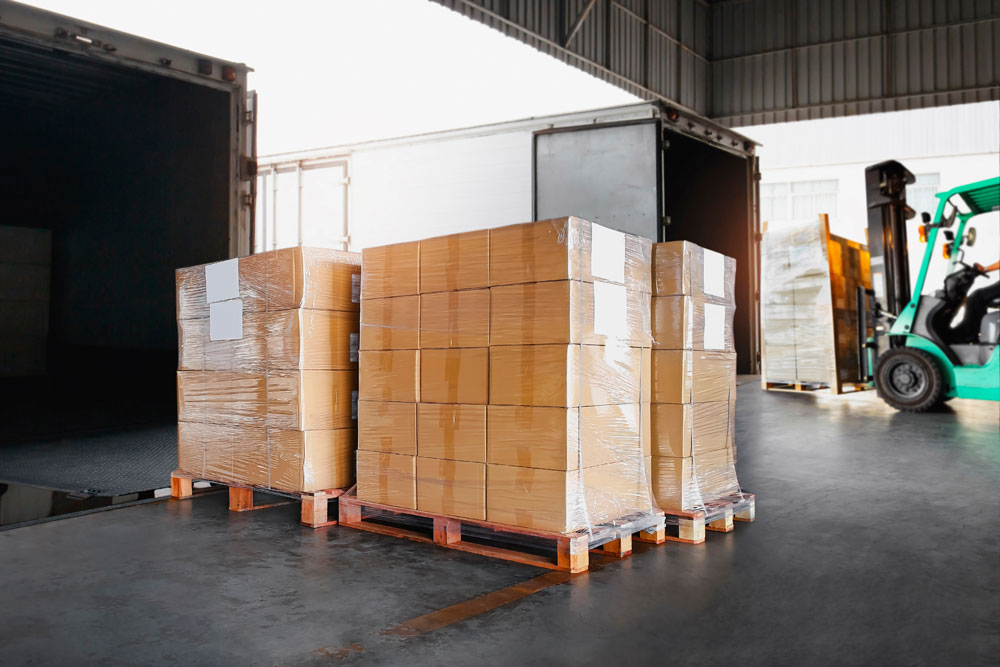
Manufacturers, chemical suppliers, and industrial distributors often face a critical operational question when scaling production or distribution: how should large volumes of liquid or semi-liquid chemicals be packaged safely and efficiently? This is where bulk chemical filling services play an essential role. Instead of packaging products into small retail containers, bulk filling allows companies to transfer chemicals into large industrial containers such as drums, totes, or intermediate bulk containers (IBCs). These services are typically performed by specialized contract manufacturers or toll blending companies equipped with industrial filling systems, quality control processes, and regulatory expertise. By outsourcing this step, businesses can streamline operations, maintain safety standards, and deliver chemicals to customers in formats designed for industrial use.
Bulk filling is not just about moving product from a tank into a container. It requires precision equipment, careful quality control, compliance with hazardous materials regulations when applicable, and logistical planning. Companies that rely on large quantities of chemicals, including manufacturers, industrial cleaning suppliers, water treatment companies, agricultural product distributors, and specialty chemical brands, often rely on experienced filling partners to ensure every container meets weight specifications, labeling requirements, and safety standards.
What Are Bulk Chemical Filling Services?
Bulk chemical filling services involve transferring large volumes of liquid or semi-liquid chemical products from storage tanks or blending vessels into industrial-scale containers for storage, transport, or distribution. These services are usually provided by specialized facilities with automated filling equipment designed to handle various chemical viscosities, densities, and packaging formats.
A bulk filling provider typically receives finished chemical formulations or blends them onsite through toll manufacturing services. Once the product is prepared, it is transferred into containers using calibrated pumps, filling heads, and weighing systems that ensure each unit meets precise volume or weight specifications.
Key functions of bulk chemical filling services include:
- Large-scale product transfer from tanks or reactors into transport containers
- Precision measurement and weighing to ensure accurate fill quantities
- Container handling and staging for efficient loading and shipping
- Labeling and documentation required for transportation and compliance
- Quality assurance checks to verify batch integrity
Bulk filling is commonly used in industries such as:
- Industrial cleaning chemicals
- Water treatment products
- Agricultural chemicals and fertilizers
- Oilfield and mining chemicals
- Specialty chemical formulations
- Automotive fluids and lubricants
By working with a professional filling partner, companies avoid the expense of purchasing and maintaining industrial filling equipment while ensuring their products are packaged consistently and safely.
Bulk Chemical Filling Services: Packaging Options (Drums, Totes, IBCs)
Bulk chemical filling services typically support several industrial container formats. The choice of packaging depends on the chemical’s intended use, transportation requirements, storage conditions, and customer handling capabilities.
Drums
Industrial drums are among the most common containers used for chemical distribution. They typically hold between 30 and 55 gallons of liquid product.
Advantages of drum packaging include:
- Wide compatibility with many chemicals
- Easy stacking and palletization
- Suitable for both hazardous and non-hazardous materials
- Manageable size for warehouses and smaller facilities
Drums are commonly constructed from steel or high-density polyethylene (HDPE), depending on the chemical’s corrosiveness and storage requirements.
Typical users of drum packaging include chemical distributors, industrial maintenance suppliers, and manufacturing plants that require moderate quantities of chemicals for regular operations.
Totes
Chemical totes usually refer to reusable containers with capacities around 275 to 330 gallons. These containers are designed for efficient transport and storage while maintaining durability.
Benefits of tote packaging include:
- Higher product volume than drums
- Reduced handling and packaging costs
- Improved efficiency for bulk users
- Reusable container options
Totes are frequently used by companies that require consistent supply volumes but may not need full tanker shipments. Industries such as food processing sanitation, agriculture, and water treatment commonly rely on totes.
Intermediate Bulk Containers (IBCs)
Intermediate Bulk Containers, or IBCs, represent one of the most efficient packaging solutions for large volume chemical distribution. They typically hold between 275 and 330 gallons and are often constructed with a plastic inner container surrounded by a metal cage for structural protection.
Advantages of IBCs include:
- Excellent durability for shipping and handling
- Compatibility with forklift and pallet systems
- Efficient storage footprint
- Integrated dispensing valves
IBCs are widely used for transporting liquid chemicals across industrial supply chains. Their design allows controlled dispensing, which is beneficial for facilities that meter chemicals into processes or blending systems.
Selecting the right container format depends on several factors:
- Chemical compatibility with container materials
- Transportation distance and logistics
- Storage space at the customer facility
- Required dispensing method
- Regulatory classification of the chemical
An experienced bulk filling provider can help determine the most appropriate packaging format based on these operational considerations.
How to Compare Pricing, Lead Times, and Capabilities
Choosing a bulk filling partner involves more than simply finding the lowest cost. Industrial chemical packaging requires specialized expertise, regulatory awareness, and reliable equipment. Evaluating vendors carefully helps ensure consistent product quality and safe handling.
Key factors to compare include:
Equipment and Capacity
The filling facility should have equipment capable of handling your product’s viscosity, fill volume, and packaging type.
Important questions include:
- Can the provider fill multiple container sizes?
- What is the maximum batch size supported?
- Do they offer automated or semi-automated filling lines?
- Can they handle specialty chemicals or sensitive formulations?
Facilities with flexible equipment often provide faster turnaround times and greater scalability.
Production Scheduling and Lead Times
Reliable lead times are critical for maintaining supply chain stability.
When evaluating lead times, consider:
- Average turnaround for standard orders
- Ability to accommodate rush orders
- Inventory storage capabilities
- Coordination with blending operations
A provider that integrates blending and filling operations may significantly reduce overall production time.
Regulatory Compliance and Documentation
Chemical packaging must meet transportation and safety regulations, especially when dealing with hazardous materials.
Important compliance capabilities include:
- Hazard communication labeling
- Safety data sheet management
- DOT shipping requirements
- Proper packaging certifications
Working with an experienced provider helps ensure these requirements are handled correctly.
Quality Control Systems
Quality control processes help ensure each container meets exact specifications.
Look for providers that implement:
- Automated weight verification systems
- Batch traceability documentation
- Sampling procedures
- Container inspection protocols
Reliable quality systems reduce product loss, shipping issues, and compliance risks.
Cost Structure
Pricing for bulk chemical filling services typically depends on several variables:
- Container type and size
- Fill volume
- Product viscosity or complexity
- Labeling requirements
- Storage and handling needs
Transparent pricing structures and detailed quotes help avoid unexpected costs during production.
Bulk Chemical Filling Services: Accuracy, Weight Checks, and QA
Accurate filling is essential in chemical packaging. Overfilling wastes product and increases costs, while underfilling can create regulatory or customer compliance issues.
Professional filling operations rely on calibrated weighing systems to ensure precise container weights.
Common quality assurance practices include:
- Automated weight verification systems to confirm each container meets target specifications
- Tare weight verification for containers before filling
- Batch sampling to confirm product consistency
- Calibration checks for scales and pumps
Quality assurance teams typically maintain documentation for each production batch. This traceability allows manufacturers to track product shipments and quickly address any quality concerns if they arise.
Accurate filling also improves transportation efficiency. Containers filled to correct weights ensure trucks and shipping containers meet load limits while maximizing usable capacity.
Bulk Chemical Filling Services for Hazmat: What Changes?
When chemicals are classified as hazardous materials, additional requirements apply to bulk filling operations. Facilities must comply with strict safety and regulatory standards.
Key considerations include:
- Specialized packaging rated for hazardous materials
- Proper labeling and hazard communication
- Compliance with Department of Transportation regulations
- Spill containment and emergency response procedures
Facilities that handle hazardous chemicals must also implement safety systems such as:
- Ventilation controls
- Explosion-proof equipment when necessary
- Employee training for hazardous material handling
- Environmental monitoring systems
Working with a hazmat-qualified filling partner ensures that chemicals are packaged and transported according to all regulatory standards.
Quote Checklist: What Info A Vendor Needs from You
When requesting a quote for bulk chemical filling services, providing detailed product and packaging information helps vendors deliver accurate pricing and timelines.
Information typically required includes:
- Product name and chemical composition
- Safety data sheet (SDS) documentation
- Viscosity and density of the liquid
- Required container type and size
- Expected order volumes
- Labeling and packaging specifications
- Shipping destination or logistics requirements
Additional details may include palletization preferences, batch size requirements, or temperature sensitivity. The more information provided upfront, the easier it is for a filling provider to design an efficient production plan.
FAQ: Bulk Chemical Filling Services
What industries use bulk chemical filling services?
Many industries rely on bulk chemical filling, including industrial manufacturing, water treatment, agriculture, oil and gas, automotive fluids, and specialty chemical suppliers.
What container sizes are typically used for bulk filling?
Common container sizes include 55-gallon drums, 275-gallon totes, and 275 to 330-gallon intermediate bulk containers (IBCs). Larger tanker shipments may also be used for very high volumes.
Can bulk filling providers handle custom chemical formulations?
Yes. Many facilities that offer filling services also provide toll blending or contract manufacturing. This allows companies to blend custom formulations and package them within the same facility.
How accurate are industrial filling systems?
Modern filling systems use calibrated scales and automated controls to ensure precise weight or volume measurements. Quality assurance checks verify that each container meets specification.
Do bulk filling services support hazardous chemicals?
Many specialized facilities are equipped to handle hazardous materials and comply with DOT and regulatory requirements. These operations use certified containers, labeling systems, and safety procedures.
Is outsourcing bulk filling cost-effective?
Outsourcing often reduces capital investment in equipment, labor, and regulatory compliance while allowing companies to scale production quickly.
Partner with an Experienced Bulk Filling Provider
Reliable packaging is essential for maintaining chemical quality, protecting workers, and ensuring efficient distribution. By working with an experienced provider of bulk chemical filling services, businesses can confidently deliver large volumes of chemical products while maintaining accuracy, compliance, and operational efficiency.
Industrial Technology Corporation offers the expertise and infrastructure required to support industrial chemical manufacturing and packaging needs. Whether you need custom toll blending services, private label opportunities, or quality chemical formulations for your business, we are here to meet your needs. Simply contact us today to inquire about our services, request a quote, or discuss your specific requirements. We look forward to working with you to develop innovative solutions that drive success for your business.